


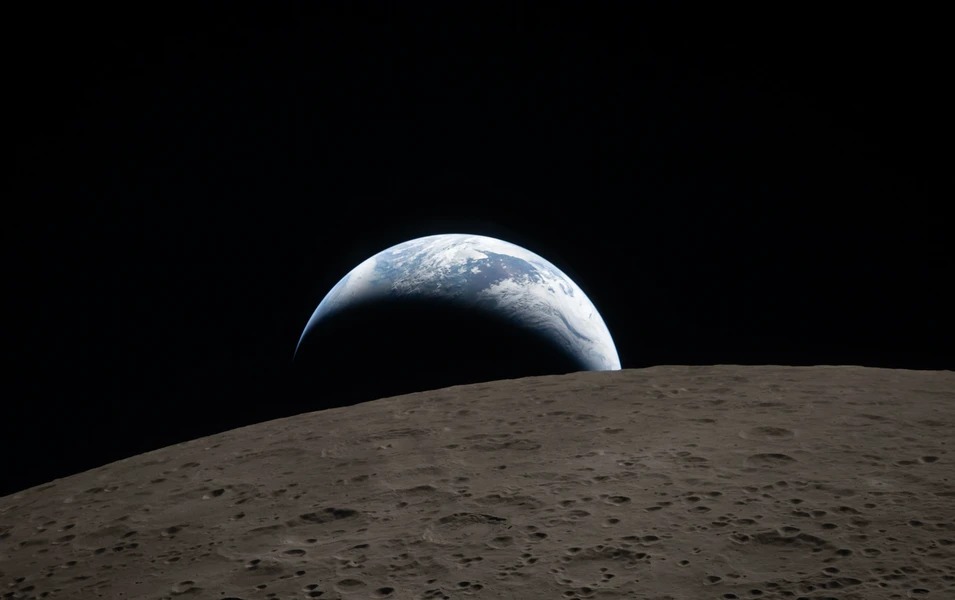
Artemis II Astronauts Witness Rare Meteorite Impacts on the Moon
April 9, 2026
Astronauts aboard Artemis II observed a rare and remarkable phenomenon as multiple meteorites struck the Moon’s surface during their historic flyby.
Rare Lunar Event Captured
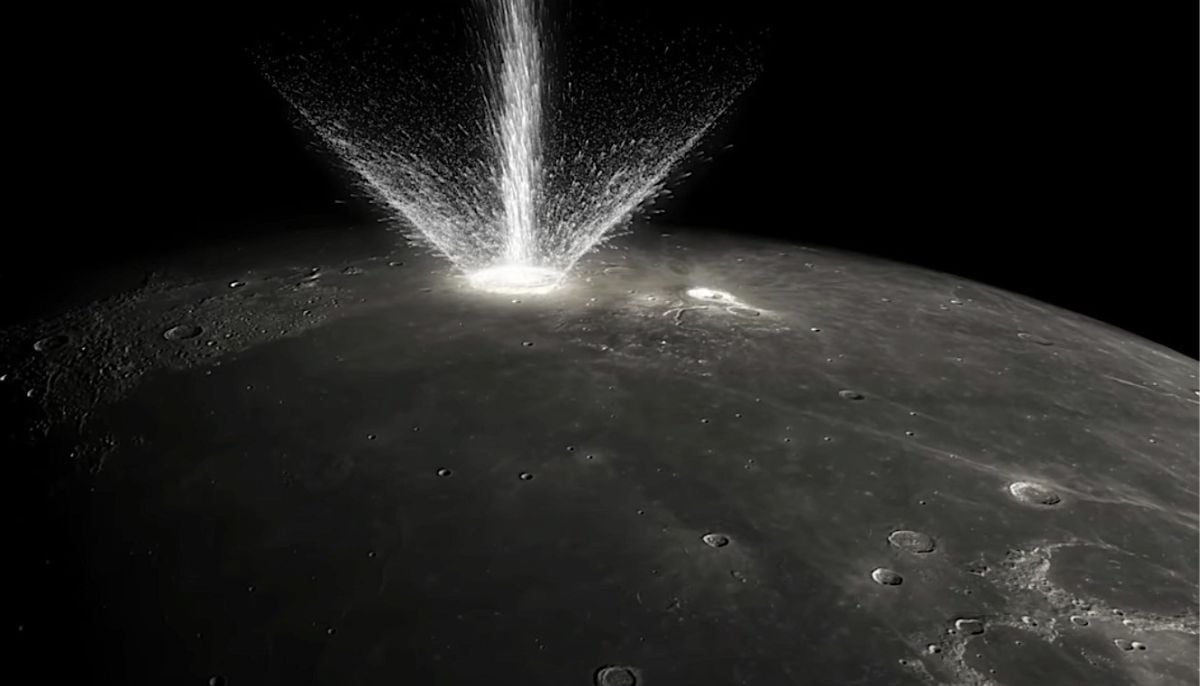
During the mission, the crew witnessed six meteorite impacts on the Moon—an event that is extremely uncommon to observe directly.
The sightings were first reported by mission commander Reid Wiseman while the Orion spacecraft was traveling approximately 6,000 to 7,000 kilometers above the Moon’s far side.
Wiseman described the moment, noting that the flashes were clearly visible signs of impacts on the lunar surface. Fellow astronaut Jeremy Hansen also confirmed additional sightings shortly afterward.
Perfect Conditions for Observation
The observations occurred under unique conditions. The astronauts were monitoring an eclipse event, during which the Moon’s far side was completely in shadow. This made it easier to detect brief flashes of light caused by meteorite impacts.
These flashes, typically white or light blue, lasted less than a second but were clearly visible due to the darkness.
Why Meteorite Impacts Are Visible on the Moon
Unlike Earth, the Moon has no protective atmosphere. On Earth, most small space debris burns up before reaching the surface.
However, on the Moon, even tiny meteorites can strike at high speeds, producing visible flashes upon impact.
Scientific Importance
The astronauts recorded these observations over a period of several hours. Scientists believe this data will help improve understanding of how frequently meteorites strike the Moon.
Such insights are especially valuable as NASA continues planning future lunar missions and the possibility of establishing a long-term human presence on the Moon.
