
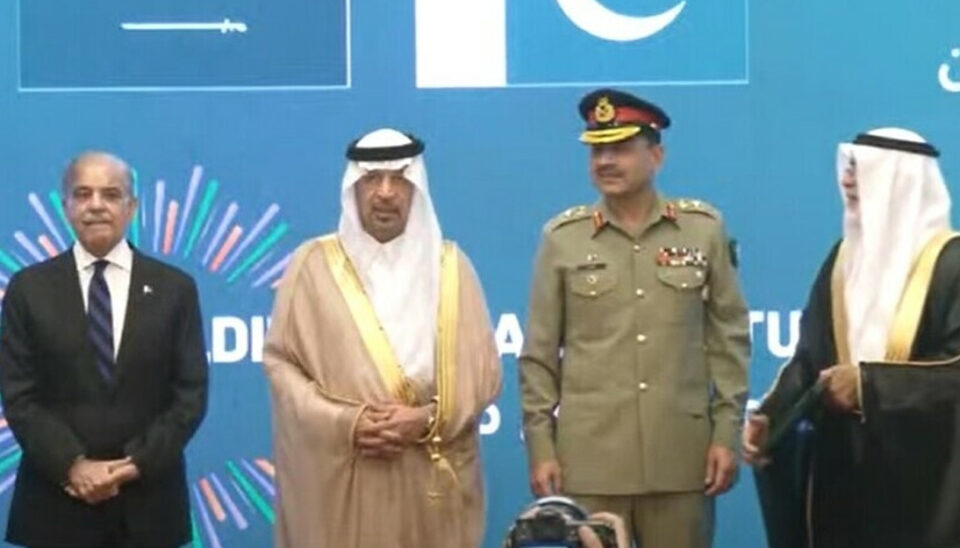
Pakistan and Saudi Arabia signed 27 memorandums of understanding (MoUs) valued at $2.2 billion across various sectors on Thursday. The agreements were made during the visit of a high-level Saudi delegation, led by Minister for Investment Sheikh Khalid Bin Abdul Aziz Al Faleh, who arrived in Islamabad for a three-day official visit.
Prime Minister Shehbaz Sharif, along with Al Faleh and Chief of Army Staff (COAS) General Asim Munir, attended the signing ceremony. The MoUs cover sectors including industry, agriculture, IT, food, education, mining, health, petroleum, energy, and other areas of mutual cooperation.
During the event, Prime Minister Shehbaz expressed his gratitude to the Saudi delegation, calling their visit a sign of the strong bond between the two nations, inspired by Crown Prince Mohammed bin Salman’s leadership. He emphasized the importance of turning the MoUs into tangible agreements through hard work and assured swift action in their implementation, pledging to avoid delays or bureaucratic hurdles.
He also mentioned that Pakistan had secured an International Monetary Fund (IMF) program with the support of Saudi Arabia, expressing hope that it would be the last one. The prime minister highlighted improvements in Pakistan’s economic indicators, such as inflation dropping from 32% to 6.9%, a reduction in the policy rate, and increases in exports and foreign remittances. He credited these developments to the government’s commitment to deep economic reforms.
Saudi Minister for Investment Sheikh Khalid Bin Abdul Aziz Al Faleh praised the close relationship between the two nations, stating that there are “no limits” to what Saudi Arabia and Pakistan can achieve together economically. He confirmed that the two countries were formalizing MoUs worth around $2 billion, aimed at supporting Pakistan’s economic stability and fostering deeper cooperation.
The Saudi minister also acknowledged Pakistan’s strategic location and its potential for growth in various sectors. He expressed confidence in Pakistan’s economic reforms and highlighted Saudi Arabia’s commitment to strengthening ties, particularly through investments in infrastructure, mining, and other key areas.
Finance Minister Muhammad Aurangzeb expressed optimism about Pakistan’s economic outlook, noting the country’s progress in achieving macroeconomic stability. He emphasized that Pakistan is now open for business, with a focus on attracting private investment and enhancing trade, especially with Saudi Arabia.
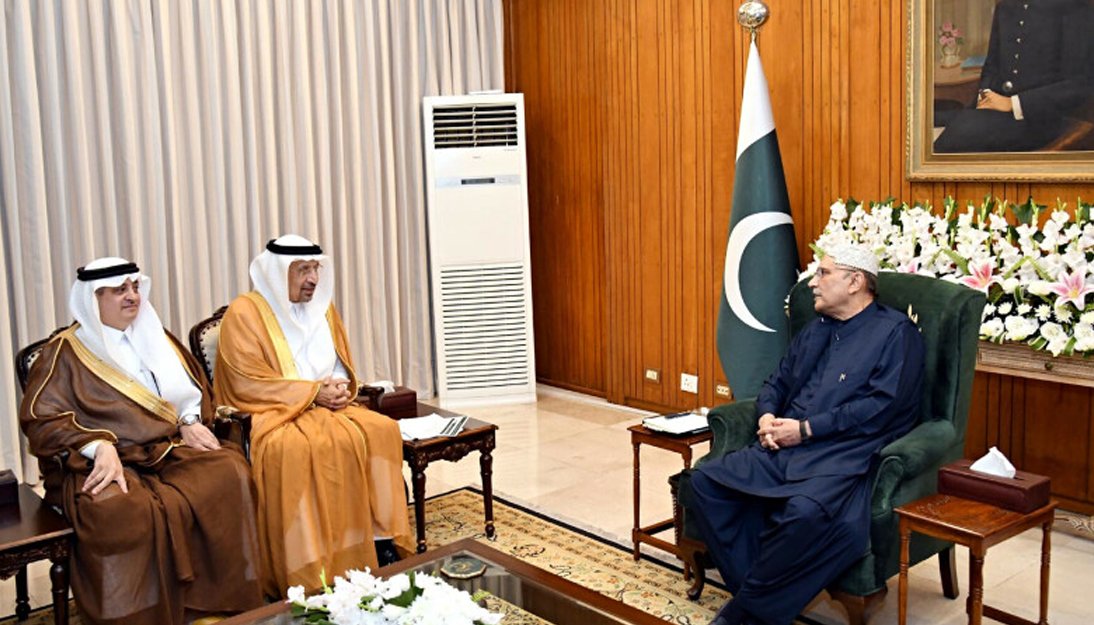
Meanwhile, during a separate meeting with President Asif Ali Zardari, both sides reaffirmed their commitment to boosting cooperation in areas such as agriculture, IT, and renewable energy. President Zardari emphasized the long-standing relationship between the two nations and expressed Pakistan’s desire to elevate the partnership to new heights.
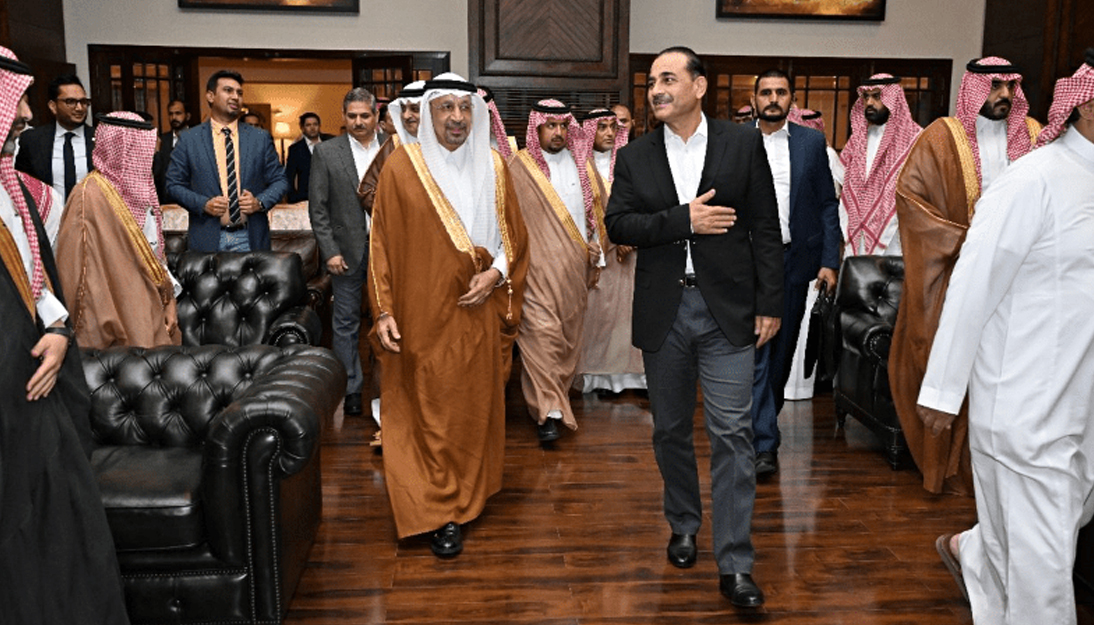
In another meeting, COAS General Asim Munir expressed gratitude for Saudi Arabia’s ongoing support and reaffirmed Pakistan’s commitment to further strengthening the bilateral relationship. He underscored the importance of the Saudi delegation’s visit as a testament to the enduring bond between the two countries.
The visit marks a significant step in deepening economic and strategic ties between Pakistan and Saudi Arabia, with both sides expressing optimism for a prosperous future built on mutual cooperation and shared interests.
