
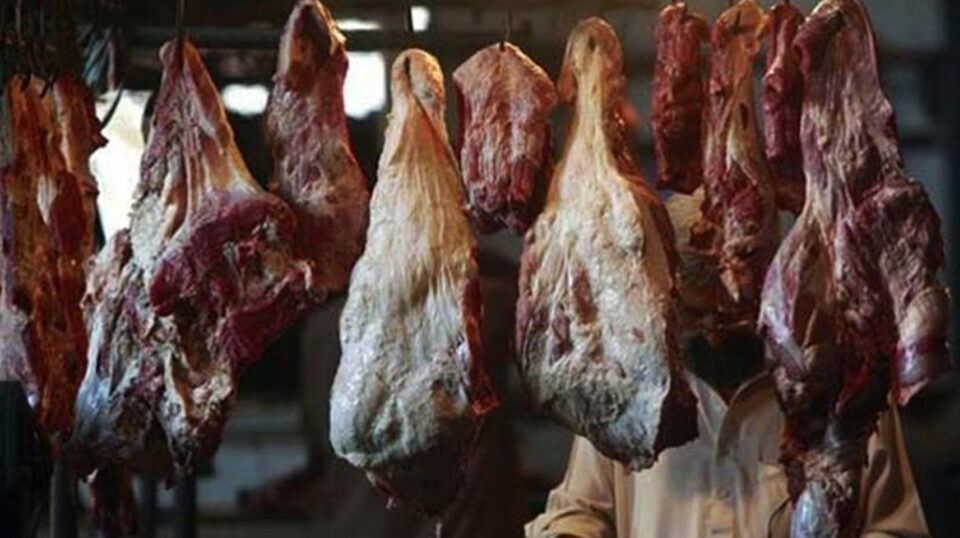
Meat Prices Rise Across Pakistan Despite Lower Exports
Apr 13, 2026
The Pakistan Food Authority (PFA) has reported the disposal of around 60,000 kilograms of substandard meat over the past two months, even as meat prices continue to rise sharply across major cities.
Despite expectations that reduced exports—due to regional tensions in the Middle East—would ease local prices, the opposite trend has been observed in markets across the country.
Sharp Increase in Karachi Meat Prices
In Karachi, meat rates have increased significantly. Mutton prices have reached up to Rs. 2,700 per kilogram, marking an increase of around Rs. 300.
Other key rates include:
- Veal with bones: Rs. 1,400 to Rs. 1,500 per kg
- Boneless veal: up to Rs. 1,800 per kg
- Beef (cow meat): Rs. 1,350 to Rs. 1,500 per kg
Higher Prices in Lahore Markets
Lahore has recorded even steeper increases. Mutton prices in the city now range between Rs. 2,800 and Rs. 3,200 per kilogram, while beef is being sold at Rs. 1,200 to Rs. 1,600 per kilogram, depending on quality and location.
Reasons Behind the Price Surge
Market stakeholders and traders have linked the price increase to several factors, including:
- Rising fuel costs, especially diesel and LPG
- Increased transportation and operational expenses
- Limited availability of livestock, particularly goats
- Strong seasonal demand due to weddings and upcoming Eid preparations
Concerns Over Supply and Regulation
According to market sources, retail prices in many areas are not aligned with officially notified rates, and in some cases, price lists are not displayed at shops as required.
Experts also highlight concerns about the slaughter of female livestock, which may affect long-term supply and stability in the meat sector.
Outlook
With food inflation already under pressure, analysts warn that meat prices may remain high in the coming months. This could also influence the cost of sacrificial animals ahead of Eid-ul-Adha, depending on market demand and supply conditions.
