Pakistan, Iran Agree to Boost Agricultural Trade to $3 Billion
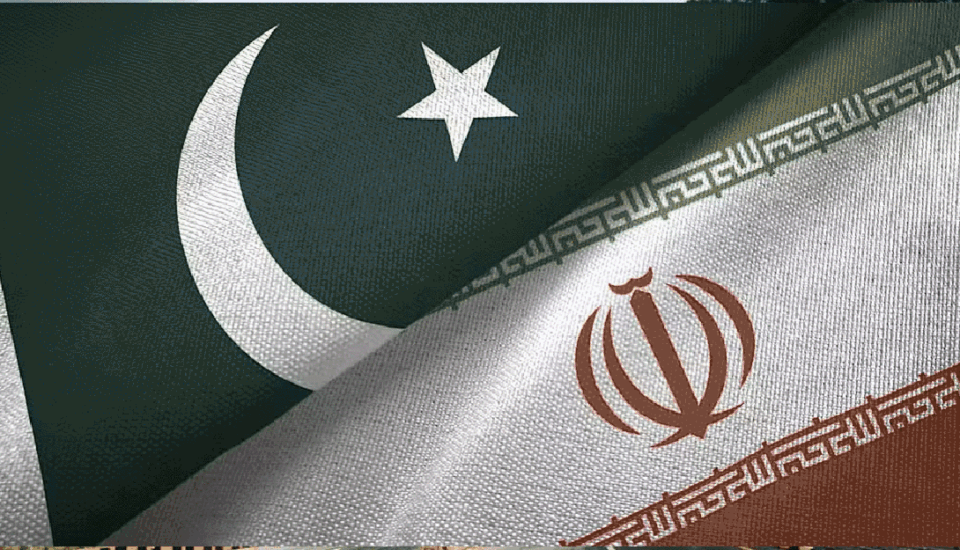
Pakistan and Iran have agreed to enhance their bilateral agricultural trade to $3 billion within the next two years, marking a major step in strengthening economic ties between the two neighbors. The agreement was finalized on Monday through a joint communique signed in Tehran during a high-level visit led by Pakistan’s Minister for National Food Security and Research, Rana Tanveer Hussain.
During the visit, Iran committed to importing a significant share of its rice needs from Pakistan, providing local farmers and exporters with a consistent and stable market. Pakistan also received assurances that long-standing challenges in mango exports—such as delays in permits and foreign exchange allocations—would be resolved.
Calling the agreement a “milestone for Pakistan’s agriculture sector,” Mr. Hussain highlighted that it would open new opportunities for farmers and agri-exporters.
Iran’s Agriculture Minister, Gholamreza Nouri Ghezeljeh, noted that the current trade volume between the two countries stands at $1.4 billion. He said Iran plans to expand exports of dairy products, nuts, fruits, and vegetables to Pakistan, while Pakistan will supply part of Iran’s corn and rice needs along with up to 60% of its meat imports.
Both sides also agreed to cooperate in climate change research and food security, with a joint agriculture committee meeting every six months to review progress and resolve trade hurdles.
To facilitate smoother trade, the two countries will work on:
-
Faster customs clearance processes.
-
Setting up warehouses and cold chain systems.
-
Improving border infrastructure for timely delivery of perishable goods.
“These steps will not only boost trade but also ensure high-quality delivery of agricultural commodities,” said Mr. Nouri.
Pakistan and Iran further reaffirmed their intention to move towards a Free Trade Agreement (FTA), which will provide a stronger framework for long-term trade growth.
The next meeting of the Iran–Pakistan Joint Economic Commission is scheduled in Tehran next month, where discussions on the FTA and other trade initiatives are expected to advance further.
