
India Declines to Sign SCO Joint Statement Amid Regional Tensions
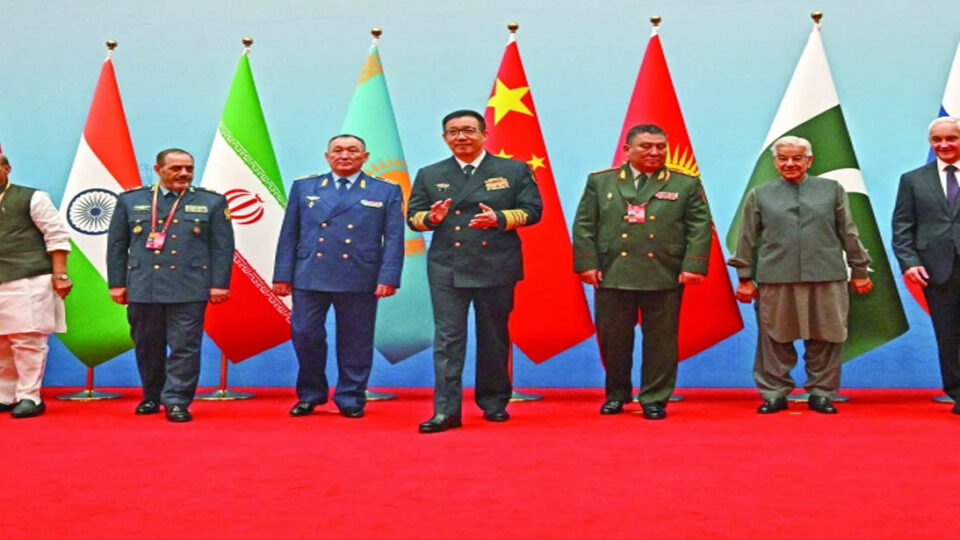
ISLAMABAD: A recent meeting of the Defence Ministers of the Shanghai Cooperation Organization (SCO) concluded without a joint communiqué, after India declined to sign the final draft, citing reservations over its contents.
The two-day conference, held in Qingdao, China, brought together defence leaders from the 10-member regional bloc, including China, Russia, Iran, Pakistan, India, and others. The meeting aimed to enhance regional cooperation on defence and security matters.
India Raises Objections to Final Draft
According to diplomatic sources, the proposed joint statement referenced terror-related incidents in Pakistan, including in Balochistan, but did not mention the recent Pahalgam attack that India had sought to include. This led to India withholding its endorsement of the document.
Due to the lack of unanimous agreement, the host country chose not to issue a joint statement, a rare occurrence in high-level SCO engagements.
Differing Regional Perspectives
Indian Defence Minister Rajnath Singh, in his address, expressed concerns over cross-border terrorism and called for collective accountability without naming specific countries. Singh emphasized the need for SCO nations to unite against terrorism and the proliferation of weapons to non-state actors.
However, Singh reportedly objected to the draft’s perceived alignment with Pakistan’s stance, especially its omission of the Pahalgam incident and inclusion of references to attacks in Pakistan.
Pakistan Reiterates Call for Collective Action
Pakistan’s Defence Minister Khawaja Asif, in his remarks, reaffirmed Pakistan’s commitment to SCO’s objectives. He condemned terrorism in all forms and urged countries to avoid politicizing joint efforts against it.
He also emphasized the importance of addressing unresolved disputes in the region through peaceful means and called for global attention to long-standing issues that affect regional peace and stability.
Reactions and Regional Impact
While Indian media described the outcome as a firm stance by New Delhi, some analysts and former officials in India described it as a diplomatic setback. Former Indian foreign minister Yashwant Sinha, in a post on social media, criticized the outcome and urged leadership accountability.
Diplomatic sources noted that the lack of consensus highlighted broader divisions within the SCO regarding regional security narratives. However, all member states reiterated their commitment to working together on shared concerns such as counter-terrorism, regional peace, and economic development.
Looking Ahead
Despite the disagreement over the communiqué, the SCO continues to serve as a vital platform for regional dialogue and cooperation. Member states are expected to continue discussions in upcoming meetings to align on common security challenges and strategic goals.
