


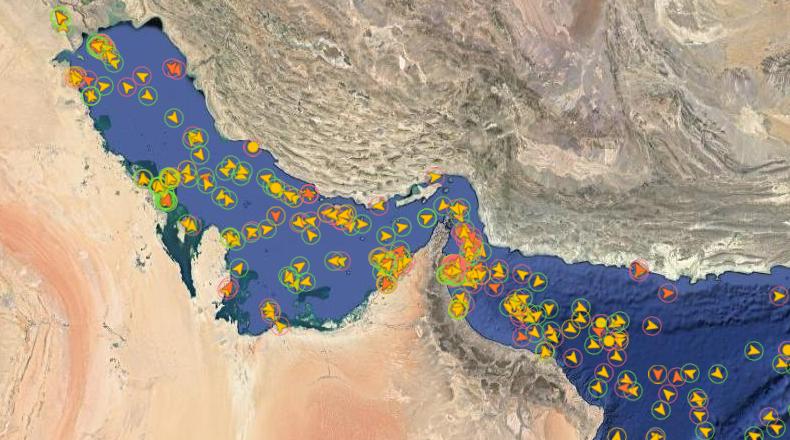
Tensions Rise as Iran Targets Ships in Strait of Hormuz Amid Ongoing US Standoff


Tensions in the Middle East have escalated after Iran reportedly opened fire on multiple vessels in the Strait of Hormuz and seized two ships, intensifying disruptions in one of the world’s most critical oil transit routes.
The developments come amid an ongoing standoff with the United States, which has maintained restrictions on Iranian ports despite extending a ceasefire. Officials indicated that the situation remains complex, with diplomatic efforts currently at a standstill.
Key Shipping Route Under Pressure
The Strait of Hormuz is a vital global energy corridor, handling nearly 20% of the world’s traded oil during normal conditions. Recent incidents have significantly reduced shipping activity through the passage, raising concerns about global supply chains.
Iranian media reported that the vessels involved were taken into custody by forces linked to the Islamic Revolutionary Guard Corps, though international responses have varied regarding the implications of these actions.
Global Economic Impact
The disruption has contributed to rising energy prices worldwide. The cost of Brent crude oil has climbed above $100 per barrel, reflecting a sharp increase compared to pre-conflict levels.
Higher fuel prices are also affecting transportation and food costs, adding pressure to economies already facing inflation challenges.
Concerns in Europe
Officials in Europe have expressed concern over the long-term economic impact. Dan Jørgensen, the European Union’s energy commissioner, warned that continued disruptions could have lasting effects on businesses and consumers.
He noted that the situation is already costing Europe hundreds of millions of euros daily, drawing comparisons to previous global energy crises.
Uncertain Outlook
Despite the escalation, global stock markets have shown relative stability so far. However, analysts caution that prolonged uncertainty in the region could lead to broader economic consequences if tensions continue.
With diplomatic progress currently limited, the situation in the Strait of Hormuz remains a key concern for global energy markets and international stability.
