


(Sports Correspondent: Imran Sohail)
Is the Women’s Six Nations Getting Better or Just Faster?


The Women’s Six Nations has evolved significantly over the years, becoming faster, more tactical, and higher scoring. But as the competition grows, questions are being raised about whether these changes are improving the game—or altering its unique identity.
A Surge in Scoring
Recent tournaments have seen a sharp rise in points. The 2025 edition recorded the highest scoring average in the competition’s history, with nearly 56 points per match. Early figures from the current season suggest that trend is continuing.
While England women’s rugby union team have played a major role with dominant wins, the increase in scoring is visible across all teams. Even excluding England’s matches, scoring averages remain at record levels.
Tactical Evolution and Kicking Game
One of the biggest changes in recent years is the growing use of tactical kicking. Players like Dannah O’Brien have helped shape a more strategic style, with teams increasingly relying on territory rather than long attacking phases.
The number of kicks per game has risen steadily, reflecting improved technical skills and coaching standards across teams. This shift mirrors aspects of the men’s game, where controlling field position is key.
Faster Gameplay and Fitness Levels
The modern women’s game is also noticeably quicker. Ruck speed has increased, with a higher percentage of plays completed in under three seconds. This rapid pace allows teams to maintain attacking momentum and puts pressure on defensive structures.
Experts point to improved athleticism and conditioning as major factors behind this change, with players now able to sustain high-intensity efforts for longer periods.
Improved Set-Pieces and Accuracy
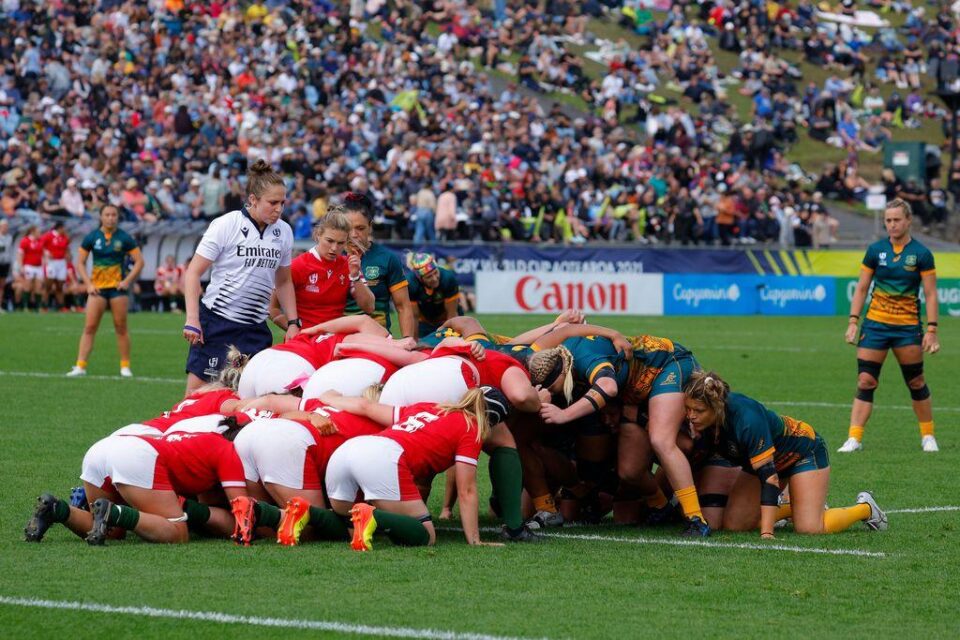
Set-pieces like scrums and line-outs have become more reliable, with success rates at very high levels. Goal-kicking accuracy has also improved, including attempts from difficult angles, highlighting better training and professionalism in the sport.
Balancing Progress and Identity
Former England coach Simon Middleton believes the game must strike a balance. While tactical awareness and physical standards have improved, he cautions against losing the creativity and open style that has traditionally defined women’s rugby.
He suggests that an overly kick-focused approach could reduce entertainment value if not balanced with attacking play.
The Bottom Line
The Women’s Six Nations is clearly evolving, with faster gameplay, smarter tactics, and higher skill levels. Whether these changes make the sport “better” depends on perspective—but there is no doubt that the competition is reaching new levels of intensity and professionalism.
