


AI Competition Takes Centre Stage Ahead of Trump-Xi Summit
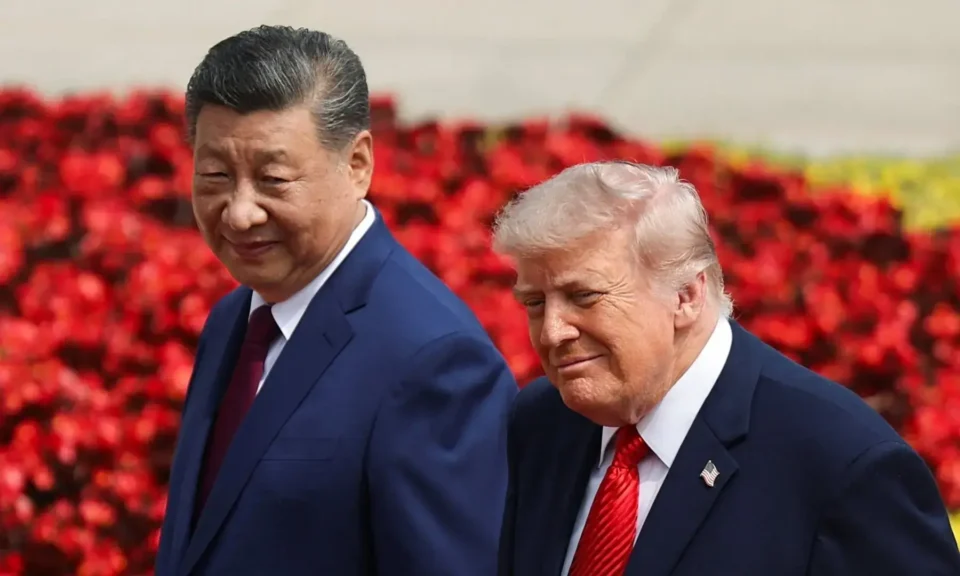
Artificial intelligence is expected to be one of the major issues discussed when US President Donald Trump meets Chinese President Xi Jinping in Washington next week.
The September 24 summit comes as the United States and China continue to compete over advanced technology, computer chips and the future development of artificial intelligence. Both countries see AI as increasingly important to their economies and national security.
US and China Race for AI Leadership
The United States has remained a major force in advanced AI development, but Chinese technology companies have rapidly narrowed the gap.
Companies including DeepSeek and Moonshot AI have developed open-weight models that have attracted international attention because they can be accessed and modified more freely than many leading closed AI systems.
The growing capabilities of Chinese models have added another dimension to the technology competition between Washington and Beijing.
Advanced Chips Remain a Major Concern
Semiconductor technology is closely connected to the AI rivalry.
The United States has introduced restrictions aimed at limiting China’s access to some of the most advanced chips used to develop and operate powerful AI systems. Washington has also adjusted licensing policies for certain chips, creating debate over how far technology restrictions should go.
China, meanwhile, continues to strengthen its domestic chip industry and develop alternatives to foreign technology. Recent advances by Chinese chipmaker Huawei have highlighted Beijing’s push for greater technological self-reliance.
AI Safety Adds Pressure to Talks
AI safety is another issue gaining importance ahead of the Trump-Xi meeting.
Officials and technology experts in both countries have raised concerns about increasingly capable AI systems, including potential cybersecurity and military risks. US and Chinese experts have discussed the need for safeguards and communication channels to reduce the possibility of AI-related incidents escalating between the two countries.
The two governments have already shown interest in discussing AI risks, although major differences remain over regulation and technological competition.
Why Cooperation Could Be Difficult
Despite shared concerns about AI safety, Washington and Beijing have different priorities.
US policymakers are focused heavily on maintaining technological leadership while addressing potential risks. China has promoted wider use of open-source AI and has also raised concerns about restrictions imposed by the United States.
Experts say the two sides may find limited areas for cooperation, but reaching a broad agreement on controlling the pace of AI development could prove difficult because neither country wants to give up its competitive advantage.
Trump-Xi Meeting Could Shape AI Policy
The upcoming summit will cover several issues beyond artificial intelligence, including trade, Taiwan, technology restrictions and other areas of US-China relations.
However, AI has emerged as an important part of the wider strategic competition. Any progress on safety discussions could provide a starting point for future cooperation, while continued disagreement could further deepen the technology divide between the world’s two leading AI powers.
