


US Denies Mahmoud Abbas Visa for UN General Assembly
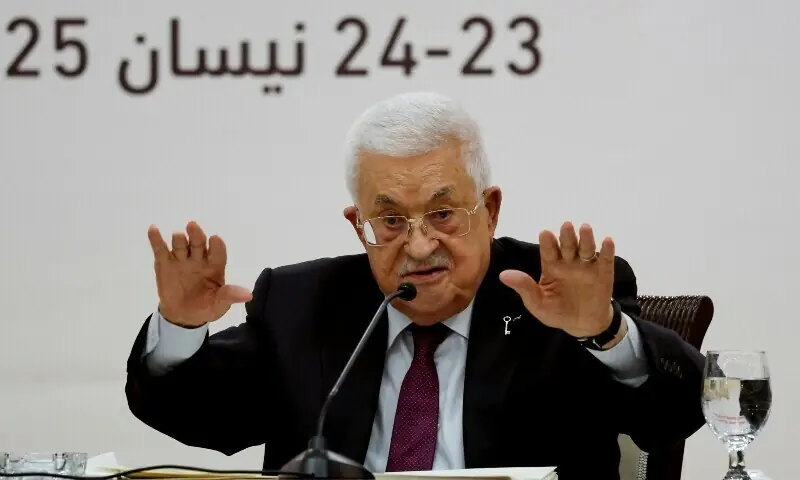
The United States has again denied Palestinian President Mahmoud Abbas a visa to travel to New York for the United Nations General Assembly, preventing him from attending the annual high-level gathering in person for a second consecutive year.
A Palestinian official confirmed the visa refusal, while the US State Department said it was extending visa restrictions on Palestinian Authority officials and members of the Palestine Liberation Organization. Washington said the measures were linked to actions it believes seek to internationalise the Israeli-Palestinian conflict, including legal proceedings against Israel at international institutions.
Abbas Expected to Address UN Remotely
Following the US decision, the UN General Assembly voted to allow Abbas to deliver his address through a video link.
The resolution received 152 votes in favour, three against and four abstentions. It also allows Abbas and other senior Palestinian officials to participate remotely in UN meetings during the coming year if they are unable to travel to the United States.
The arrangement follows a similar decision last year, when Abbas also addressed the General Assembly virtually after being unable to obtain a US visa.
US Explains Visa Restrictions
The US State Department said the restrictions were being extended because the Palestinian Authority and PLO had not met commitments required under US law.
Washington cited Palestinian efforts to pursue cases involving Israel through international legal institutions, including the International Criminal Court and International Court of Justice. The US has also raised concerns over other Palestinian policies and actions.
The measures affect Palestinian officials beyond Abbas, although personnel formally assigned to the PLO Observer Mission to the United Nations have previously received exemptions under the existing arrangements.
Palestinian Authority Criticises Decision
Palestinian officials have rejected the US decision, saying the restrictions could negatively affect diplomatic engagement between Washington and the Palestinian leadership.
The Palestinian Authority has also pointed to reforms in areas including administration, finance, education, law and social welfare. Palestinian officials argue that continued international diplomatic efforts are necessary to advance discussions over Palestinian statehood and a two-state settlement.
UN Participation Raises Diplomatic Questions
The visa decision has renewed discussion over the United States’ responsibilities as host country of the UN headquarters in New York.
The 1947 UN headquarters agreement generally provides for access to the United Nations for foreign representatives. Washington, however, maintains that visa restrictions can be imposed on security, terrorism and foreign-policy grounds.
The issue comes as world leaders prepare to gather in New York for the 81st UN General Assembly, where the Israeli-Palestinian conflict and wider Middle East developments are expected to remain among the major international issues under discussion.
For Abbas, the UN’s decision to permit a remote address means he will still have an opportunity to present the Palestinian leadership’s position despite being unable to travel to New York.
