


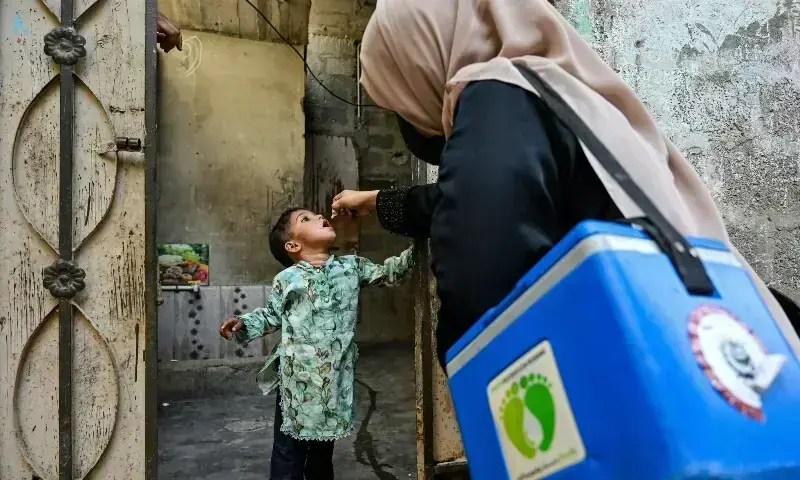
Bannu Remains a Major Polio Concern as Experts Urge Stronger Vaccination Efforts
Health experts have raised concerns over the continued threat of polio in Bannu Division and other parts of Pakistan, stressing the need for sustained vaccination campaigns and greater community participation to protect children from the preventable disease.
The warning comes as authorities prepare to launch a fractional inactivated polio vaccine (fIPV) campaign in Khyber and another district, following confirmation of a polio case involving a 10-year-old boy in Khyber district. According to officials, the campaign is scheduled to begin on November 2, 2026.
Experts said Pakistan and neighbouring Afghanistan remain the only countries where polio is endemic. Although global eradication efforts have eliminated the virus from many countries, continued transmission in the two nations remains a major public health challenge.
Pakistan Reports Seven Polio Cases in 2026
Officials said the latest case in Khyber was the fifth reported in Khyber Pakhtunkhwa and the seventh nationwide this year.
The affected child was reportedly given routine immunisations, although officials said a vaccination record was unavailable.
World Health Organisation member Dr Sardar Alam said all 49 polio cases reported globally so far in 2026 had come from Pakistan and Afghanistan. He reported seven cases in Pakistan and 42 in Afghanistan.
Dr Alam also highlighted the detection of poliovirus in children older than five years across several districts. According to the figures he presented, the virus had been detected in 24 children aged over 60 months in 14 districts, including Khyber and Peshawar.
He further noted that five of the 31 polio cases reported in Peshawar during 2025 involved children above five years of age.
These findings underline the importance of reaching older children who may remain vulnerable to infection despite previous vaccination.
Experts Highlight Importance of Additional Vaccination
Dr Alam explained that immunity can weaken over time, making additional protection important for certain age groups. He said a booster dose of fractional inactivated polio vaccine for children aged four months to 10 years was recommended to strengthen immunity and help reduce the spread of the virus.
He added that the intervention followed technical assessments and recommendations by the relevant advisory authorities.
Experts stressed that consistent vaccination coverage is essential to prevent further transmission and protect children from lifelong disability caused by polio.
UNICEF Calls for Community Trust and Awareness
Jahanuddin, a social and behaviour change specialist at UNICEF, emphasised the need to understand local attitudes towards vaccination and address misconceptions that discourage parents from immunising their children.
He said building trust between communities and health workers was important for improving vaccine acceptance and strengthening routine immunisation.
UNICEF communication officer Shadab Younas also urged media organisations to share accurate health information and help counter vaccine hesitancy. He highlighted the potential role of documentaries, human-interest stories and credible community voices in improving public understanding.
Pakistan Press Club vice-president Ziaul Haq said cooperation between journalists and health organisations could help increase demand for vaccines and counter misinformation.
He added that continued public awareness and effective communication were necessary to protect children until polio is eradicated.
Authorities Urge Parents to Vaccinate Every Child
Emergency Operations Centre coordinator Sarah Rehman described polio as a preventable disease that can cause permanent paralysis in children.
She urged parents to ensure that their children receive polio drops during every vaccination campaign, even if they have already received doses through routine immunisation.
Rehman said government departments, health authorities and law-enforcement agencies were working together to support eradication efforts. However, she stressed that eliminating polio would require cooperation from families, communities, healthcare workers and the media.
Health experts maintain that reaching every child with recommended vaccines, improving public awareness and addressing concerns about immunisation remain essential steps towards a polio-free Pakistan.
