


BCCI Official Says Mohsin Naqvi Had No Objection to India’s Trophy Decision
Sports Correspondent: Imran Sohail
BCCI Vice President Rajeev Shukla has said that Asian Cricket Council (ACC) Chairman Mohsin Naqvi did not object to the Indian women’s team’s decision not to receive the Women’s Asia Cup trophy from him.
Shukla made the comments after criticism was directed at him and BCCI Secretary Devajit Saikia for interacting with Naqvi during the Women’s Asia Cup final in Dubai.
India Declines Trophy Presentation
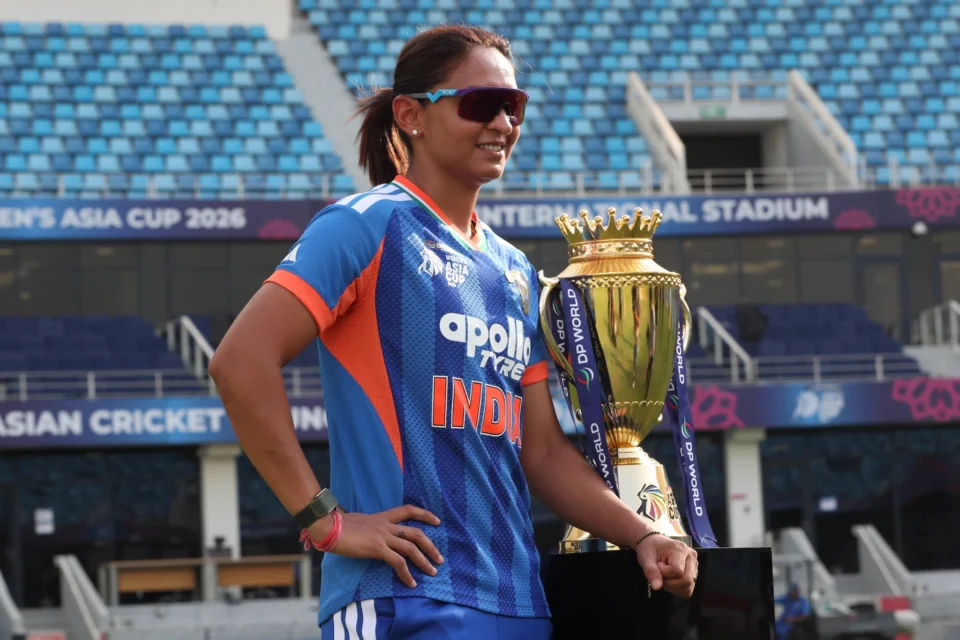
India defeated Sri Lanka by 72 runs in the final to win the Women’s Asia Cup. However, the Indian team did not receive the trophy from Naqvi, who also serves as Pakistan’s Interior Minister and chairs the Pakistan Cricket Board.
According to Shukla, the BCCI had collectively decided before the match that the Indian players would not accept the trophy from Naqvi.
He said the decision was communicated to the ACC chairman in advance and that Naqvi did not raise any objection.
BCCI Defends Officials’ Interaction
Shukla also defended his interaction with Naqvi during the final, saying exchanges between officials are normal when they attend international matches in their official capacities.
He stressed that the interaction should not be interpreted as a change in the BCCI’s position regarding the trophy presentation.
BCCI Secretary Devajit Saikia had previously stated that the board informed the ACC before the final that the Indian team would not take part in the trophy presentation if Naqvi was involved.
Similar Situation During Men’s Asia Cup
The decision is consistent with the stance adopted by Indian cricket authorities following the military conflict between Pakistan and India in May 2025.
During the 2025 Asia Cup, the Indian men’s team avoided the customary post-match handshake with Pakistani players. After winning the tournament, India also declined to receive the trophy from Naqvi.
A similar situation occurred during the Women’s Asia Cup final, with the BCCI maintaining that its decision was linked to the prevailing circumstances between the two countries.
