


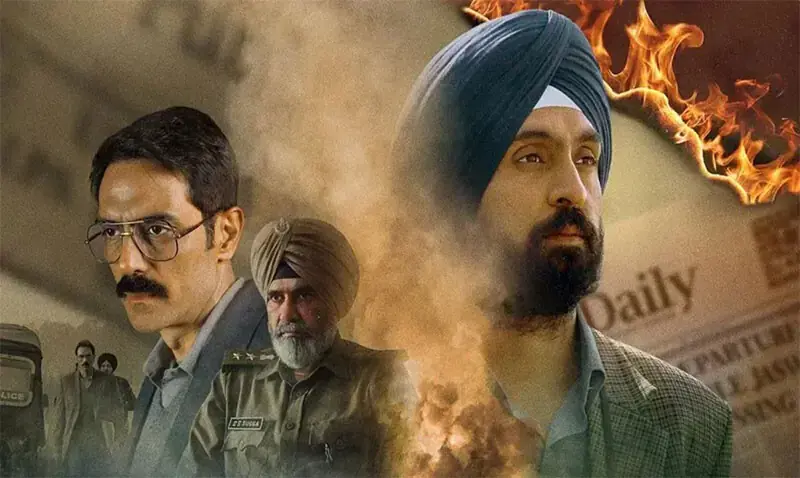
Debate Over Diljit Dosanjh’s Satluj Sparks Political Discussion in Punjab
The controversy surrounding Punjabi actor and singer Diljit Dosanjh’s upcoming film Satluj has expanded beyond the entertainment industry, becoming part of a wider political and public debate in India’s Punjab ahead of the state’s 2027 Assembly elections.
The discussion began after reports that the film was removed from a digital platform following action by federal authorities, who cited concerns related to public order under provisions of India’s Information Technology Act. The decision has prompted reactions from political leaders, community groups, and civil society, with many debating the balance between artistic expression, historical interpretation, and public responsibility.
Historical Narratives Become Part of the Debate
A major point of discussion involves how the film portrays events linked to Punjab’s period of militancy during the 1980s and 1990s.
Union Minister of State Ravneet Singh Bittu has called for historical claims presented in the film to be supported by official records and verified evidence. He has argued that depictions of sensitive historical events should be based on documented facts and has also emphasized that the suffering of victims of militant violence should receive equal recognition in public discussions.
His remarks have generated broader conversations about how difficult chapters of Punjab’s history should be represented in films, books, and other forms of media.
Political Reactions Across Punjab
The controversy has drawn responses from several political parties, each presenting different perspectives on the issue.
Some leaders have expressed concern over restrictions placed on creative works, while others have stressed the importance of ensuring that historical subjects are portrayed responsibly. The debate has also revived discussions about support and compensation for families affected by violence during Punjab’s years of insurgency.
As political activity increases ahead of the next state elections, observers believe that issues related to history, identity, and public memory could receive greater attention alongside topics such as employment, agriculture, education, healthcare, and economic development.
Digital Platforms Amplify Public Discussion
The conversation has spread rapidly through social media and digital communication platforms, allowing opinions and commentary to reach audiences both within India and among Punjabi communities living overseas.
Analysts note that online discussions can quickly influence public opinion, making it increasingly important for information shared on sensitive historical topics to be accurate, well-sourced, and presented responsibly.
Focus on Maintaining Social Harmony
Despite the growing political debate, many observers point out that Punjab has a long tradition of close social, cultural, and economic ties among different communities.
Community leaders and analysts continue to emphasize the importance of preserving social harmony while encouraging respectful discussions about history and public memory.
As the debate over Satluj continues, it is expected to remain part of a broader conversation about artistic freedom, historical interpretation, and the role of public institutions in addressing sensitive subjects. The outcome may influence not only discussions surrounding the film but also wider political discourse in the months leading up to Punjab’s next Assembly elections.
