


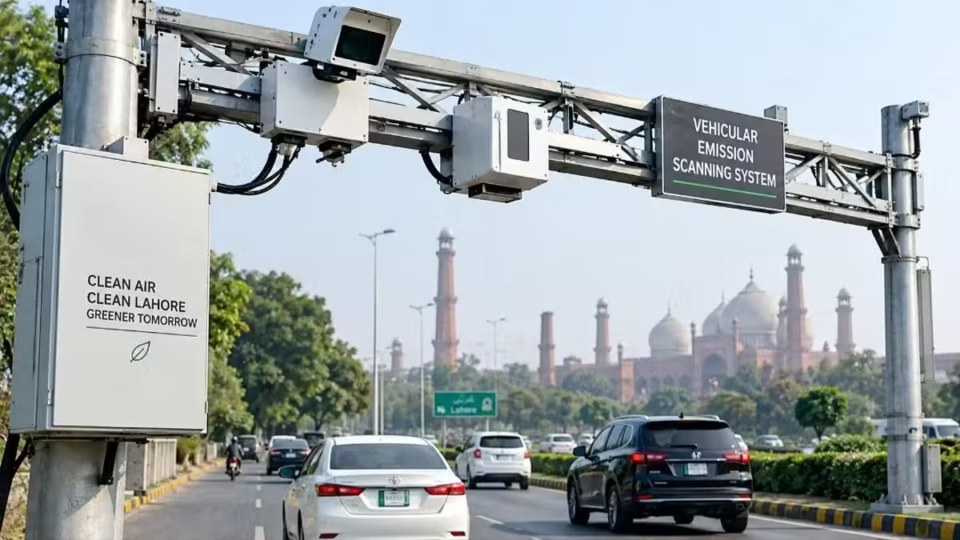
Lahore to Install Vehicle Emission Scanning System at Nine Entry Points
Lahore is set to introduce a new vehicle emission scanning system at nine major entry and exit points to identify vehicles releasing excessive levels of pollutants.
The initiative is being introduced by the Environment Protection and Climate Change Department (EP&CCD) as part of efforts to improve monitoring of vehicular emissions and address air pollution in the city.
Remote Sensors to Check Vehicle Emissions
Under the pilot project, Remote Sensing Devices (RSDs) will be installed along selected roads and traffic corridors.
The technology will measure emissions from vehicles while they are moving, meaning drivers will not need to stop for an initial emissions check.
The system will also capture vehicle registration numbers and other relevant information. This will allow authorities to link emission readings with specific vehicles and identify those that may require further inspection.
New System to Improve Pollution Monitoring
The emission scanning technology is expected to help authorities screen a large number of vehicles under normal driving conditions.
Instead of relying primarily on visible smoke or traditional roadside testing, officials will be able to use recorded emission data to identify vehicles with potentially high pollution levels.
EP&CCD Secretary Silwat Saeed said the system would provide vehicle-specific information that can support more targeted inspections and regulatory measures.
Part of Lahore Air Improvement Framework
The project is being implemented under the Lahore Air Improvement Framework (LAIF).
A technical committee reviewed the Vehicular Emission Scanning System (VESS) component on August 24. The review covered several technical aspects, including equipment specifications, measurement accuracy, pollutants to be monitored, detection limits, vehicle speeds and camera integration.
These technical requirements are intended to ensure that the system can accurately collect and record emission-related data from vehicles operating on the city’s roads.
Portable Equipment to Verify Emission Readings
Authorities will also use Portable Emission Measurement Systems (PEMS) for more detailed assessments.
Selected vehicles can be tested under actual driving conditions using PEMS, allowing officials to compare the results with readings obtained through remote sensing devices.
This additional testing will help verify the accuracy of the initial emission measurements and provide more detailed information when further inspection is required.
Dedicated Unit to Oversee the Project
The Punjab Environmental Protection Agency (EPA) will establish a dedicated Vehicular Emission Testing Unit (VETU) to manage the technical aspects of the initiative.
The unit will be responsible for technical operations, quality control and implementation of the emission monitoring system.
The pilot project is expected to provide authorities with a more data-driven approach to identifying high-emission vehicles and improving monitoring of vehicular pollution across Lahore.
