


Pakistan Confirms Second Congo Virus Case of 2026


According to hospital officials, the patient was admitted after suffering from high fever and repeated nosebleeds for two days. Medical tests revealed dangerously low platelet and hemoglobin levels, along with elevated liver enzymes.
Doctors carried out a Congo PCR test, which confirmed the presence of the Crimean-Congo Hemorrhagic Fever virus. Following the diagnosis, the patient was shifted to a specialized healthcare facility for treatment and close monitoring, where he remains under medical care.
What Is Crimean-Congo Hemorrhagic Fever (CCHF)?
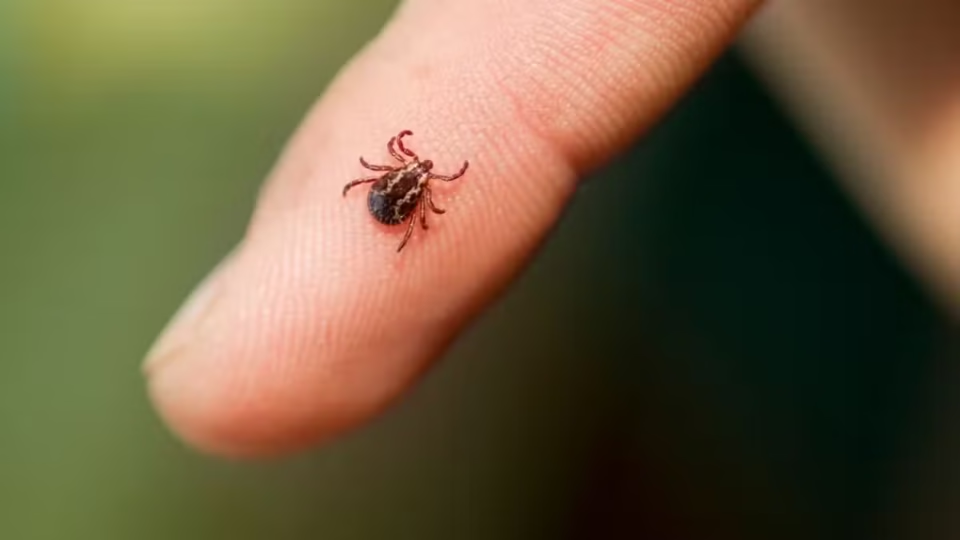
Crimean-Congo Hemorrhagic Fever is a serious viral disease that is primarily spread through the bite of infected ticks. The virus can also be transmitted through direct contact with the blood or tissues of infected animals.
In healthcare settings, the infection may spread through exposure to the blood or bodily fluids of infected patients if proper protective measures are not followed.
Common Symptoms of Congo Virus
Early symptoms of CCHF may include:
- High fever
- Severe headache
- Muscle and joint pain
- Fatigue and weakness
- Nausea and vomiting
- Nosebleeds or other forms of bleeding in severe cases
Anyone experiencing these symptoms, particularly after exposure to livestock or tick-infested areas, should seek immediate medical attention.
How to Reduce the Risk of Infection
Health experts recommend the following precautions:
- Avoid tick bites by wearing protective clothing in rural or livestock areas.
- Use insect or tick repellents when appropriate.
- Wear gloves while handling animals or raw meat.
- Maintain proper hygiene after visiting farms or livestock markets.
- Healthcare workers should use personal protective equipment (PPE) when treating suspected patients.
Public Health Reminder
Health authorities continue to monitor Congo virus cases and advise the public to remain alert, especially during seasons when tick activity is higher. Early diagnosis, prompt medical treatment, and strict infection-control measures are important for reducing the risk of severe illness and preventing further spread.
