


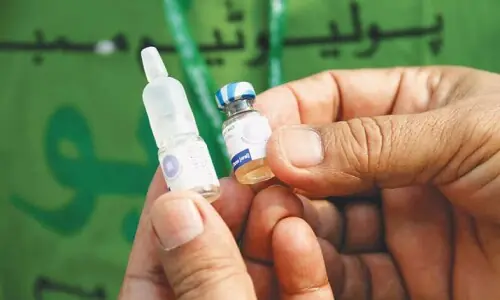
Pakistan Reports Decline in Environmental Poliovirus Detection During First Half of 2026
Pakistan has recorded a notable decline in the detection of poliovirus in environmental samples during the first six months of 2026, according to data released by the National Emergency Operations Centre (NEOC) for Polio Eradication.
The environmental positivity rate fell to 13.1%, compared with 48.1% during the same period in 2025, reflecting progress in ongoing polio surveillance and vaccination efforts.
Positive Environmental Samples Decrease
According to the NEOC, 127 environmental samples were collected across Pakistan during June 2026 as part of routine poliovirus surveillance.
The results showed:
- 117 samples tested negative
- 10 samples tested positive
Between January and June 2026, the number of positive environmental samples declined to 100, compared with 369 during the same period last year.
Provincial Overview
The June surveillance results showed:
| Province | Total Samples | Positive | Negative |
|---|---|---|---|
| Punjab | 31 | 0 | 31 |
| Sindh | 29 | 1 | 28 |
| Khyber Pakhtunkhwa | 34 | 4 | 30 |
| Balochistan | 23 | 5 | 18 |
According to the NEOC, Punjab reported no positive environmental samples during the month, while positive detections were recorded in Sindh, Khyber Pakhtunkhwa, and Balochistan.
Vaccination and Surveillance Efforts Continue
Prime Minister’s Focal Person for Polio Eradication Ayesha Raza Farooq said the improvement was supported by measures including:
- Enhanced monitoring and external audits
- Improved selection and training of vaccination teams
- Greater coordination with law enforcement agencies
- Strengthened surveillance activities
She noted that Karachi and parts of southern Khyber Pakhtunkhwa continue to require special attention because of population density and vaccination challenges.
Three Polio Cases Reported This Year
According to official data, Pakistan has reported three wild poliovirus cases so far in 2026.
Health authorities continue to focus on surveillance and vaccination campaigns in high-risk areas to reduce virus transmission.
Public Cooperation Remains Important
The NEOC has urged parents, community leaders, healthcare workers, and religious scholars to continue supporting polio vaccination campaigns.
Officials emphasize that environmental surveillance remains an important tool for monitoring virus circulation and identifying areas where immunization coverage needs further improvement.
Health authorities have encouraged the public to cooperate with vaccination teams as Pakistan continues its efforts toward polio eradication.
