


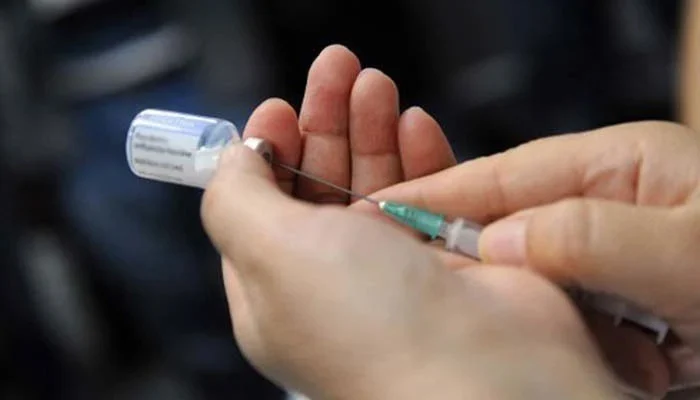
Drug Regulatory Authority of Pakistan Orders Nationwide Crackdown on Unsafe Syringes Amid Rising HIV Concerns
Pakistan’s health authorities have directed a countrywide enforcement campaign against the use of conventional disposable syringes and launched a review of safer alternatives following concerns over unsafe injection practices linked to the spread of HIV.
The decision was taken during a high-level meeting chaired by the Director General Health at the Drug Regulatory Authority of Pakistan (DRAP), with participation from senior officials of the health ministry, international health organizations, and medical experts.
Focus on Infection Control and Safety
Officials reviewed increasing cases of HIV infections reported in both children and adults, with experts highlighting unsafe injection practices, syringe reuse, and weak infection control measures as key contributing factors.
Health specialists noted that unsafe medical injections and blood transfusions remain major risks for the transmission of blood-borne diseases such as HIV, hepatitis B, and hepatitis C.
Review of Syringe Policy
Authorities have formed a technical sub-committee to evaluate whether conventional syringes should be further restricted or replaced with auto-disable or auto-destruct syringes, which are designed to prevent reuse.
The review aims to strengthen patient safety and reduce risks associated with improper medical practices in healthcare facilities.
Nationwide Enforcement Drive
DRAP has also ordered strict enforcement of an existing ban on conventional disposable syringes. A nationwide market survey will be conducted to identify illegal products still being sold or used.
According to the regulator, the import and manufacture of conventional disposable syringes were banned in 2021, and all related registrations were cancelled. However, concerns remain that such products are still circulating in some unregulated markets.
Provincial drug control authorities have been instructed to take immediate action against violations and submit a detailed compliance report within a set deadline.
Public Health Concerns
Health experts have long warned that Pakistan has one of the highest rates of injection usage globally, much of it unnecessary. They emphasize that unsafe practices in both formal and informal healthcare settings significantly increase the risk of disease transmission.
Authorities say the current measures aim to reduce reliance on unsafe medical practices and improve infection prevention standards across the healthcare system.
Way Forward
Officials and experts stressed the need for stronger regulation, improved monitoring of healthcare providers, and increased public awareness to discourage unnecessary injections.
They also highlighted the importance of ensuring the availability of safer medical alternatives, particularly in public healthcare programmes.
