


Daily Systematic Metro EPaper News National and International Political Sports Religion
Weather

UN Warns El Niño Likely to Return in Mid-2026, Raising Climate Concerns

UN Warns El Niño Likely to Return in Mid-2026, Raising Climate Concerns

https://images.openai.com/static-rsc-4/DLkNziwpZJSH3E2HMb_nKIaEZgTUINNiI1RV7U3Ha2jdXR_HLBNRu34-UD4kWotWzgwAq-kIluhZ0TSXytBPtXMnSyDWK2EcIredNW6NXIWYvMpqq2iezdJ4joWUqii8fOYxhJfwYvyZI7yLKiGIhhrN03KwOl6o5_7b5ZHxIJFjThoTv4eyHj9IsqfKFCm0?purpose=fullsize
https://images.openai.com/static-rsc-4/YmhwQ6WC9smSY_PQXn0GOecZwUbBsKWwGt9FzoOpi3Mi6IlnKOjnqHaBqoLqDs_E-B7BAa5fXIrVScNFPp6ldhBgzKR_SRpY1AIVdHgn5daFp4HNjNhXfaPAfdcRT0YquosBj3EJ-qC7OrL9KEytvBqrqDPjZL84sl2SaBdbh3ADLYayokP76nMbVIMPlB3E?purpose=fullsize
https://images.openai.com/static-rsc-4/-tPfPmy5h6zHEvR8KHQhQhk_AULIWZwbBxODCACPCK-bIN6GK-Hh7z-W04JUl66Lc0vaYXTZeNVVNoBrgCiyHt1KE41CbFiC3jQHnWVJvEwF-V6dmewj99a5mxh9k-_fxbGhawMoWPT2vegUHmvBeNJGwPZ7Ia67z3QJ3B2qDmQXovU2lfBoPyTpqBS1z_O5?purpose=fullsize
6

AFP | Published April 24, 2026

The United Nations has warned that the El Niño weather pattern is likely to return by mid-2026, potentially influencing global temperatures and weather systems across many regions.

According to the UN’s World Meteorological Organization (WMO), early indicators suggest that El Niño conditions could develop between May and July 2026, with a possibility of further strengthening later in the year.


What is El Niño?

El Niño is a natural climate phenomenon that occurs when sea surface temperatures rise in the central and eastern Pacific Ocean. This warming affects wind patterns, atmospheric pressure, and rainfall distribution around the world.

It is part of a cycle that alternates between:

  • El Niño (warming phase)
  • La Niña (cooling phase)
  • Neutral conditions

Potential Impact on Global Weather

https://images.openai.com/static-rsc-4/kYXXhiIuQfWm9zMEEdYGXr0HPHOjfQiOclyvJlikfrI_nNpzLFDn6Pyq2pTW8gLdeViTm1hbJfH06Y-lrpJsYf7SCfmDxhWyThOs-S774-Ii1EyQfnIoTPDUK7mMvvDuYaSpw0T5CQvTTpbuMzR_eO9nVsrzyrlT9QlH7ZyM6qzo8K8iEUGRnRSLn2fyPgaA?purpose=fullsize
https://images.openai.com/static-rsc-4/bcz-eatkMaAnrtRIxeu6luG5mz80zIvISpUCN0JBLubCrf-9aoPoSMCIyh6lYGpEAAsjpDDRUvlM2QLkdf88u5rv_xRsYu1DhHYbch8JUT9TItTGeLKJoOlm7Lel7WRnR0cYNvwHXThAAHwg5acXHm-1wfOv4OfBBQbWWFmJ32TiFipFnDU_ejV4utsPZA0q?purpose=fullsize
https://images.openai.com/static-rsc-4/C8smZvn_HPrNsSDjVisUUqTsLEfuh_tcwux_xmPvxpNiQW7YVp-hsYjRH9gXONGLQo-174c-Ixv_FeVnGWZdS4_GuVVoX6V5EQQ0yt-q6H35rezrlQYdwotI0ygCMDw5IEAghzG4TWO4fE2TO6dmaeWImDL-AxhFXTi3XqwukPIexB-02xzL2GgRuZT9JCCY?purpose=fullsize
6

The WMO said that the expected return of El Niño could contribute to above-average global temperatures, especially over land areas.

Key concerns include:

  • Increased likelihood of heatwaves
  • Changes in rainfall patterns
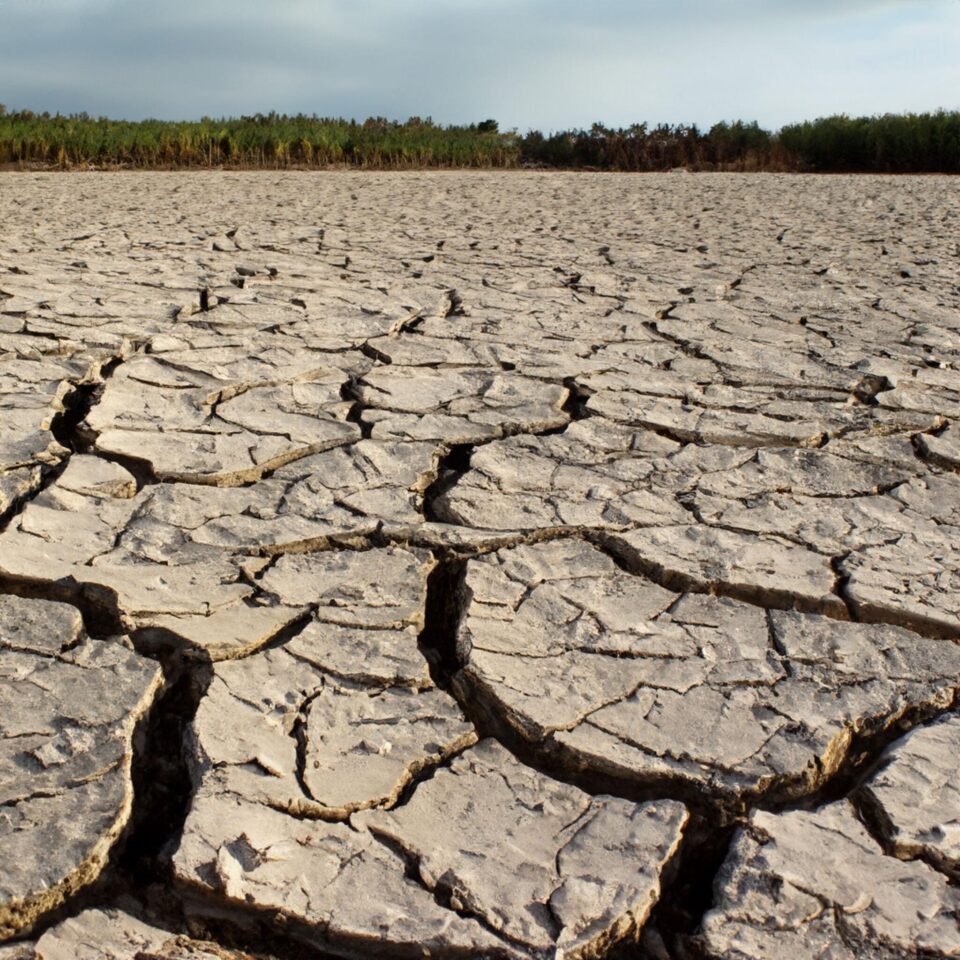
  • Risk of flooding and droughts in different regions
  • Possible disruption to agriculture and water supplies

The agency noted that ocean surface temperatures in the equatorial Pacific are already rising, signaling a likely shift toward El Niño conditions.


Experts Expect a Strong Event

WMO climate experts said there is high confidence that El Niño conditions will develop, with models suggesting it could become a strong event.

However, they added that forecasts typically become more accurate after April as more data becomes available.

The agency also highlighted that El Niño events usually occur every two to seven years and last for about nine to twelve months.


Climate Change and El Niño

The WMO clarified that climate change does not increase the frequency of El Niño events, but it can worsen their impact.

A warmer ocean and atmosphere can:

  • Increase moisture levels in the air
  • Intensify storms and rainfall
  • Strengthen heatwaves and extreme weather events

Looking Ahead

https://images.openai.com/static-rsc-4/Q2SfMtW1hjMT02GjENK8nM2Cke9Pop1fPNl1gxxKxDbAfJfhPCp9GmR-b7lgKPTcPqUBzN6aSgCQ_95wXgC4kgNpRNo7HqeIZwc-8YL30Fm_dvqaR8pMwD3xRNVpl_dmZhnsVOpUlAnBYHBD6XpL9ClbdS-6WC5PoR3KOxE74QEYe0cg-ZZbK9BhjKOEheln?purpose=fullsize
https://images.openai.com/static-rsc-4/sVqN0YA1rspeRb9YHtlfvwuTd23GnW9Mg2klOKqtBzYhBRh4tepy-LY4eJA8_oxvrvpWCuc6w4pjVjVAHj_mKCeYsfOLgjn8u6Lb2LZFiSnA9Mn8HypLRuJAl68IGDFPakVr_TpSjMoA2upyOMLNcdeH2DO7lHuKywdZy3nXBOCCs8dvG3XsNFNhrtqKse4S?purpose=fullsize
https://images.openai.com/static-rsc-4/zLyubk1mdWBOyah5yfukWkQT3xrpho0KILW2gEUlUwHmDSVJ_lTR5IBuPGF7Xpp2XlbJ8gnOQaOHi11mkQ1Px7AaNLyKzZaxAYZQ9srGBfGHWTxsWAYx5Z34G-YR-hSexdsk5kIfHP1XAgl1wK3X6eGGduD5hQWm1cIjdeMzw6Ak95-3iMscK7vRQ7TFbZ70?purpose=fullsize
6

Meteorologists say continued monitoring will be important in the coming months as the situation develops.

If El Niño strengthens as predicted, its effects could be felt across agriculture, water resources, and global weather systems throughout 2026 and beyond.

Related posts

Weakened Cyclone Shakhti to Bring Isolated Rain to Sindh, Balochistan Coast

Editor

Heavy Rain, Thunderstorms and Hail Expected Across Pakistan This Week

Editor

Death toll from rain-related incidents in Punjab rises to 14

Editor

Leave a Comment