


Pakistan Seeks More US Financing as It Looks to Diversify External Funding
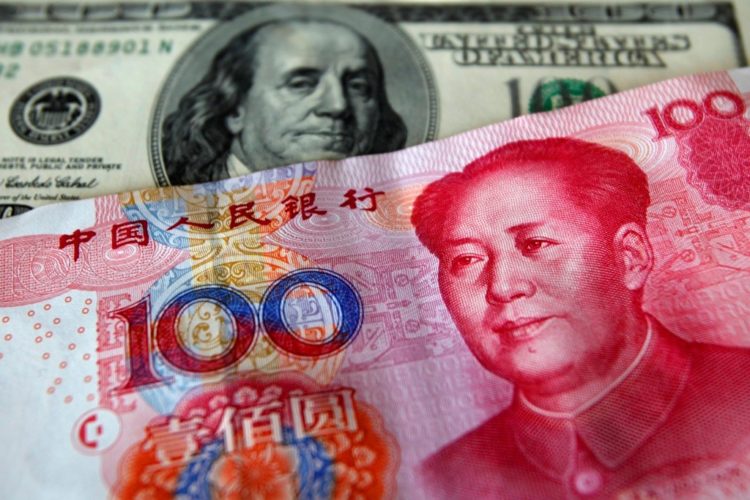
Pakistan is looking to increase financing and investment from the United States while reducing its dependence on additional bilateral borrowing from China, Finance Minister Muhammad Aurangzeb told the Financial Times.
The government is also preparing for a possible return to international capital markets as part of efforts to diversify the country’s sources of external financing.
Proposed US Swap Arrangement
Aurangzeb said a proposed $10 billion swap line with the United States would provide a confidence signal to international investors and could help Pakistan attract additional private-sector financing.
He also highlighted the potential role of the US Export-Import Bank and the US International Development Finance Corporation in supporting trade and investment projects in Pakistan.
According to the finance minister, discussions with Washington on the proposed arrangement have been constructive, with Pakistan expecting a response within the next few months.
He said the government wants to move the economy away from dependence on financial assistance and toward greater trade and investment.
Pakistan Prepares for International Bond Issuance
Pakistan has made progress on several economic indicators under its $7 billion, three-year IMF programme, approved in 2024. The country has reduced its fiscal deficit, brought inflation down and rebuilt its foreign exchange reserves.
However, economic growth remains relatively modest. The government estimates GDP growth of 3.7% for fiscal year 2025-26, while the country’s trade deficit reached $39.5 billion in the year ended June. Exports also declined during the period.
Aurangzeb said Pakistan is therefore focusing on export-led growth rather than consumption-driven expansion, which can increase pressure on the country’s external account because of its reliance on imports.
As part of its plans to return to international capital markets, Pakistan has appointed banking consortiums to arrange Eurobonds, Islamic sukuk and rupee-denominated, dollar-settled bonds.
The government is considering issuing between $1 billion and $2 billion in Eurobonds during the current fiscal year, depending on market conditions, pricing and maturity options.
Pakistan also plans to raise around $750 million through yuan-denominated panda bonds.
US Companies Could Support Investment
The finance minister said US financial institutions could also play a role in financing specific projects in Pakistan.
Potential areas include financing aircraft for the recently privatized Pakistan International Airlines (PIA) and supporting US companies interested in upgrading Pakistan’s oil refineries.
Aurangzeb stressed that stronger economic engagement with the US should not be viewed as a choice between Washington and Beijing.
However, he confirmed that Pakistan is not currently seeking additional Chinese financing.
Pakistan Targets Higher Credit Rating
The government is also working to improve Pakistan’s sovereign credit rating.
Aurangzeb said Pakistan is targeting a B+ rating within the next 12 months, with a longer-term objective of moving into the double-B rating category.
The government hopes that stronger economic indicators, improved fiscal management and greater access to international financing will help support this goal.
