


Pakistan and China Sign Healthcare Agreements Worth $629.5 Million
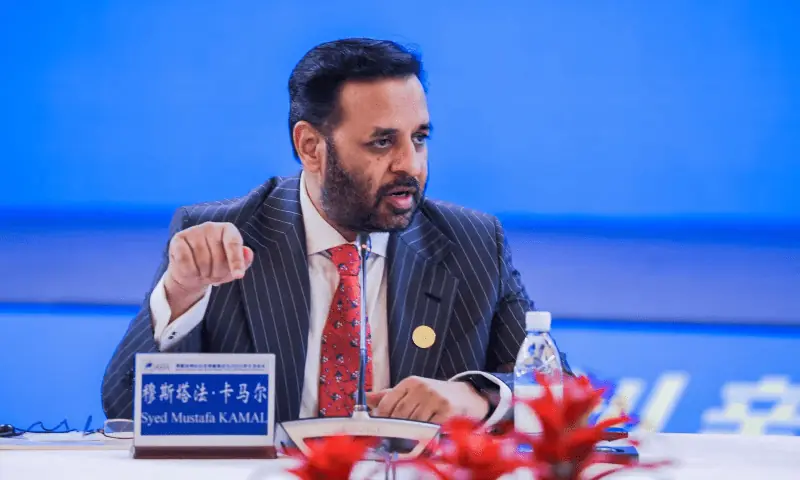
Federal Minister for National Health Services Syed Mustafa Kamal has announced that 22 investment agreements worth approximately $629.5 million were signed during the Pakistan-China Pharmaceutical & Healthcare B2B Investment Conference held in Islamabad.
The conference focused on strengthening cooperation between Pakistan and China in the healthcare and pharmaceutical sectors.
Agreements Across Multiple Healthcare Sectors
According to the health minister, the agreements cover several key areas, including:
- Vaccine production
- Active Pharmaceutical Ingredients (APIs)
- Medical devices
- Clinical trials
- Pharmaceutical manufacturing
He said the investments are expected to support the growth of Pakistan’s healthcare industry while encouraging technology transfer and industrial development.
Additional Memorandums Signed
Officials also shared that 84 Memorandums of Understanding (MoUs), with an estimated value of around $800 million, were signed during the two-day conference.
Many of these MoUs are expected to move forward into formal investment agreements after further discussions.
Strong Participation From Both Countries
The conference brought together representatives from both Pakistan and China, including:
- 240 Chinese delegates representing around 140 pharmaceutical companies
- 430 Pakistani delegates from approximately 210 local companies
The event highlighted growing cooperation between the two countries in the pharmaceutical and healthcare sectors.
Focus on Local Vaccine Production
The health minister said Pakistan has recently approved its National Local Vaccine Production Policy, aimed at encouraging domestic vaccine manufacturing.
Currently, vaccines used under the country’s national immunization program are largely imported. Officials believe local production could strengthen healthcare capacity and reduce dependence on imported supplies.
Expanding Pharmaceutical Manufacturing
According to the minister, Pakistan already manufactures a large share of its medicines locally but continues to import most of the active pharmaceutical ingredients (APIs) used in production.
He said the government’s long-term objective is to promote investment, expand local manufacturing, encourage technology transfer, create employment opportunities, and increase pharmaceutical exports.
