


Daily Systematic Metro EPaper News National and International Political Sports Religion
International

Trump’s ‘Islamic Republic of Japan’ Remark Sparks Viral Reactions on Social Media

Trump’s ‘Islamic Republic of Japan’ Remark Sparks Viral Reactions on Social Media

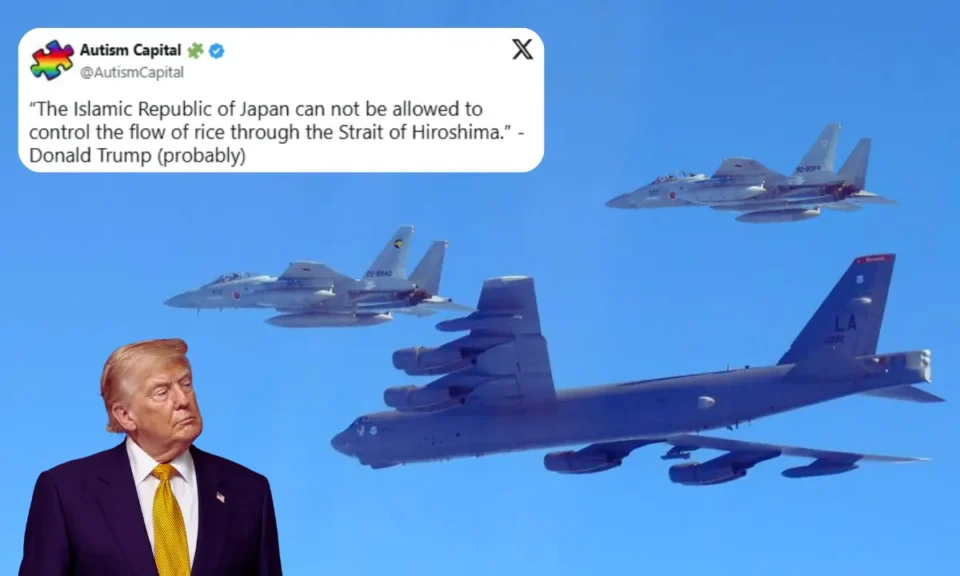
A remark by US President Donald Trump during the NATO summit in Ankara has gone viral after he mistakenly referred to Japan as the “Islamic Republic of Japan,” prompting widespread discussion and humor across social media platforms.

The comment quickly gained attention online, with users sharing memes, jokes, and fictional scenarios inspired by the unexpected wording. Many posts imagined an alternate version of Japan, blending elements of Japanese culture with humorous references to the mistaken phrase.

Social media users also created parody content featuring anime, fictional news updates, and lighthearted commentary. Some jokingly coined new terms and imagined how popular Japanese entertainment and culture would look in this fictional setting.

The viral trend spread rapidly across X and other platforms, with thousands of users contributing memes, edited images, and satirical posts. Many of the jokes centered on anime, technology, and Japan’s pop culture, while others created fictional diplomatic exchanges and humorous “breaking news” headlines.

The incident generated significant online engagement, with many users treating the remark as a humorous slip of the tongue rather than a political statement. The discussion remained largely focused on internet culture and meme creation.

The episode is another example of how a single public comment can quickly become a global social media trend, inspiring creative reactions and viral content from users around the world.

Related posts

At least 70 killed in capsize of migrant boat off West Africa, says Gambia

Editor

Trump Administration Cuts Energy Projects, Freezes $18B in New York Funding

Editor

US Visa Issue Puts Sudanese Army Chief’s UN Visit in Doubt NEW YORK: The United States has yet to issue an entry visa to Sudanese army chief Abdel Fattah al-Burhan, days before he is scheduled to attend the United Nations General Assembly, according to a letter from Sudan’s UN ambassador. Sudanese diplomatic sources and a Western analyst familiar with the matter said the visa decision may be linked to Burhan’s position on a proposed 90-day ceasefire for Sudan’s ongoing conflict. The issue has added to tensions between Washington and Sudan’s military leadership as Burhan is scheduled to address the UN General Assembly on Thursday. Sudan’s army had raised reservations about the ceasefire proposal put forward by US Senior Advisor for Arab and African Affairs Massad Boulos earlier this year. In a letter dated September 21 and addressed to UN Secretary-General Antonio Guterres, Sudan’s UN Ambassador Al-Harith Idriss Al-Harith requested immediate UN assistance in resolving the visa issue. The letter said that continued delays could prevent Sudan’s head of state from personally participating in the General Assembly’s proceedings. UN spokesperson Stephane Dujarric said the UN secretary-general was concerned that a visa had reportedly not yet been issued to Burhan. He added that the UN Secretariat had raised the matter with US authorities and was continuing discussions. Burhan has served as Sudan’s de facto leader since 2019. His military-led government has faced international criticism following the 2021 coup that removed Sudan’s civilian leadership. Sudan has been embroiled in a conflict between the army and the paramilitary Rapid Support Forces (RSF) since April 2023. RSF leader Mohamed Hamdan Dagalo, also known as Hemedti, has established a rival administration, although it has faced difficulties gaining international recognition. The conflict has produced a major humanitarian emergency, with the United Nations describing Sudan as the site of the world’s largest humanitarian crisis. The United States has been involved in diplomatic efforts aimed at ending the fighting through the so-called Quad, which also includes Saudi Arabia, Egypt and the United Arab Emirates. In an article published by Foreign Policy on Monday, Burhan said Sudan should have a central role in decisions concerning the conflict. He argued that previous ceasefires had failed and allowed opposing forces to regroup. The latest visa dispute comes amid broader tensions between Washington and Sudan’s military authorities. The United States has also proposed extending an existing arms embargo covering Sudan’s Darfur region to other parts of the country. Supporters of Sudan’s army have opposed the proposed expansion, arguing that it could have a greater impact on the military. Meanwhile, former civilian Prime Minister Abdalla Hamdok is also in New York this week for the UN General Assembly, alongside members of his anti-war coalition.

Editor

Leave a Comment