


Bangladesh Faces Record Measles Outbreak as Vaccination Gaps Grow
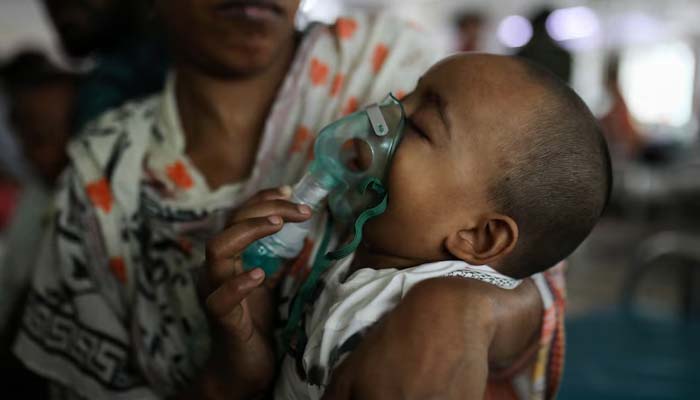
Bangladesh is dealing with its most severe measles outbreak on record, with health authorities reporting a sharp rise in cases and measles-related deaths since March.
The outbreak has continued despite a nationwide emergency vaccination campaign launched in April. Health experts say disruptions to routine immunisation programmes during 2024 and 2025 contributed to growing gaps in protection among children.
According to Health Ministry figures, more than 166,000 suspected measles cases have been reported since the outbreak began, including 19,835 laboratory-confirmed infections.
The outbreak has been associated with 999 deaths, including 100 confirmed measles fatalities. More than 146,000 suspected patients have reportedly required hospital treatment.
Vaccination Gaps Behind Rising Cases
Health officials and experts have pointed to missed vaccinations, supply problems and weaknesses in programme monitoring as major factors behind the spread.
The disruption occurred during a period of political instability in Bangladesh, while changes to vaccine procurement procedures under the interim government also reportedly affected availability.
Health Minister Sardar Md. Sakhawat Husain told parliament that changes in procurement contributed to a vaccine shortage.
A vaccination programme was postponed in 2024, while a nationwide measles-rubella campaign planned for the following year was cancelled, leaving additional children vulnerable to infection.
Infants below nine months are particularly at risk because they are generally too young for routine measles vaccination.
Bangladesh Had Made Progress Against Measles
The current outbreak represents a major setback for Bangladesh, which had made significant progress toward measles elimination.
For much of the past decade, the country maintained vaccination coverage around or above the 95% level recommended by the World Health Organization, although coverage declined during the COVID-19 pandemic.
Professor Mahmudur Rahman, an epidemiologist and former director of Bangladesh’s Institute of Epidemiology, Disease Control and Research, said vaccination gaps in 2024 and 2025 contributed to the country missing its measles elimination target.
Experts have called for stronger routine immunisation, catch-up vaccination programmes and greater public awareness to close immunity gaps.
Hospitals Under Increasing Pressure
Bangladesh’s healthcare system is facing additional pressure because the measles outbreak is occurring alongside a rise in dengue cases.
More than 45,000 people have reportedly been admitted to hospitals with dengue this year, according to Health Ministry data.
Hospitals in Dhaka are struggling to accommodate the growing number of patients.
Dr. Nanda Dulal Saha, acting director of Shaheed Suhrawardy Medical College Hospital, said the facility had 60 beds allocated for measles patients, but some patients were being treated on the floor because of limited capacity.
The hospital was designed for around 1,350 patients but was reportedly treating more than 2,350 people.
Medical supply shortages, including limited availability of paediatric saline, have added to the challenges faced by healthcare workers.
Families Face Difficulties Accessing Treatment
The outbreak has also created difficulties for families seeking timely medical care for their children.
Some parents have reported visiting several hospitals before finding an available bed or receiving appropriate treatment.
Health experts say maintaining reliable vaccine supplies is particularly important for children who miss scheduled doses because of illness or other circumstances.
Millions of Children Vaccinated
Bangladesh launched an emergency measles-rubella vaccination campaign targeting approximately 18 million children aged six months to under five years.
Health Ministry data shows that more than 19.7 million children have since received vaccinations through the campaign.
However, experts say emergency vaccination drives need to be supported by strong routine immunisation programmes to prevent further outbreaks.
Measles Can Be Prevented Through Vaccination
Measles is a highly contagious viral disease that commonly causes fever and a characteristic rash. Vaccination remains the most effective way to prevent infection and limit its spread.
Health experts say restoring routine vaccination coverage, improving monitoring and ensuring consistent vaccine supplies will be crucial for Bangladesh to bring the current outbreak under control.
The simultaneous rise in measles and dengue cases has placed additional pressure on Bangladesh’s healthcare system and highlighted the importance of maintaining preventive health programmes.
