


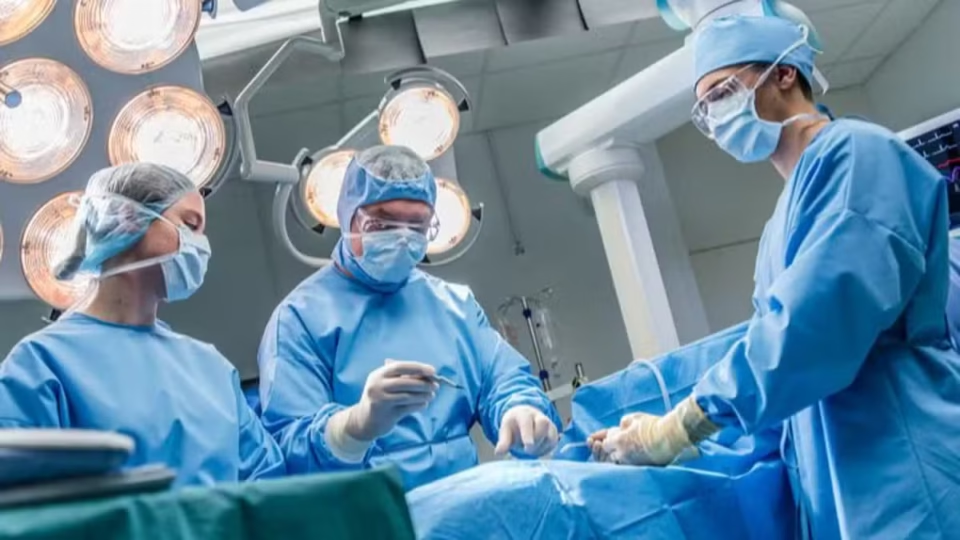
New Taxes Disrupt Sehat Sahulat Surgical Services in Lower Dir
Surgical services under the Sehat Sahulat Program (SSP) have reportedly been affected in Malakand Division, particularly in Lower Dir, following the introduction of new taxes.
Several doctors have reportedly stopped performing certain surgical procedures under the health insurance program, creating difficulties for patients who depend on SSP for medical treatment.
Surgeries Decline Sharply
Data collected from private hospitals indicates that around 200 surgeries were previously being performed each day in Lower Dir under the Sehat Sahulat Program.
However, since September 1, the number has reportedly fallen to approximately 20 surgeries per day. Some patients are now having to pay for procedures privately.
Five private hospitals affiliated with the SSP in Timergara, the district headquarters of Lower Dir, had been handling a significant number of surgeries under the program.
Hospital sources said orthopedic operations and several other major procedures have been particularly affected by the situation.
New Taxes Raise Concerns
The new taxation system reportedly includes a 15% withholding tax and a 14% service tax, bringing the combined tax burden to 29%.
Under the SSP payment structure, 60% of the package amount is allocated to hospitals, while 40% is paid to doctors. Medical practitioners have raised concerns that the new taxes have reduced the amount they earn from SSP-funded procedures.
Health officials have also said that existing reimbursement rates for surgeries are already insufficient. According to officials, the current package rates make it difficult for hospitals to meet expenses related to medicines, surgical equipment and other operational costs.
Some Services Continue
Gynecological procedures and dialysis services are reportedly continuing under the Sehat Sahulat Program.
Private hospital managements said they are continuing to provide healthcare despite higher operating expenses and taxes. However, they acknowledged that the refusal of some doctors to perform surgeries has affected access to treatment for low-income patients.
The disruption has also increased pressure on the District Headquarters Hospital in Timergara, where more patients are seeking treatment at government facilities.
Residents Call for Action
Lower Dir has a population of around 1.6 million, and a significant number of residents rely on the Sehat Sahulat Program for healthcare.
Residents have urged the provincial government, State Life Insurance Corporation and other relevant authorities to resolve the taxation and payment issues.
They have also called for a review of the existing reimbursement rates so that surgical services under the Sehat Sahulat Program can be restored and patients can continue receiving necessary treatment without facing additional financial difficulties.
