


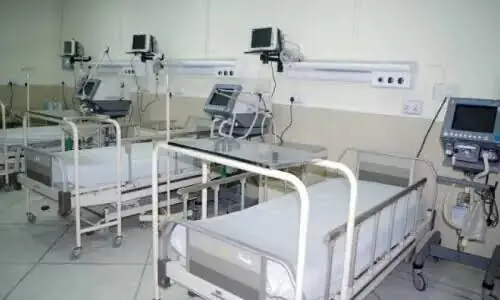
Ventilator Shortage Continues to Challenge Public Hospitals Across Pakistan
ISLAMABAD: A shortage of ventilators and trained intensive care staff continues to place significant pressure on public hospitals across Pakistan, affecting the ability of healthcare facilities to provide critical care to patients who require advanced respiratory support.
Medical experts say that while ventilators are essential for treating critically ill patients, limited availability, high procurement costs, and a shortage of specialized staff remain major challenges for the country’s healthcare system.
Demand Exceeds Available Resources
Ventilators play a vital role in intensive care units (ICUs) by assisting patients who are unable to breathe adequately on their own. However, doctors say the growing number of critically ill patients often exceeds the capacity of available ICU beds and ventilators.
Healthcare professionals note that patients requiring long-term ventilator support can occupy ICU beds for several weeks, limiting availability for new emergency cases.
Officials Highlight Multiple Challenges
Former Federal Minister for Science and Technology Fawad Chaudhry said efforts were previously made to encourage local production of ventilators, particularly during the COVID-19 pandemic. He added that greater collaboration with international manufacturers could help strengthen Pakistan’s medical equipment industry.
Officials have also pointed out that purchasing ventilators is only one part of the challenge. Operating these machines requires highly trained doctors, nurses, and respiratory therapists, making skilled human resources equally important.
PIMS Reports High ICU Occupancy
According to Pakistan Institute of Medical Sciences (PIMS) Executive Director Dr. Rana Imran Sikander, the hospital has more than 90 ventilators across various intensive care units, including medical, surgical, pediatric, neonatal, and cardiac ICUs.
He said the majority of these ventilators remain occupied due to the hospital’s heavy patient load and its policy of accepting patients from across the country.
Dr. Sikander added that ICU treatment is provided free of charge in emergency cases, placing a significant financial burden on public hospitals while ensuring access to critical care for patients.
Human Resource Shortage Remains a Concern
Medical experts emphasize that expanding ICU capacity requires not only additional ventilators but also trained healthcare professionals capable of operating advanced life-support equipment safely and effectively.
Hospital administrators say staffing shortages remain one of the biggest barriers to increasing critical care capacity.
Expansion Plans Underway
Officials said construction of a new block at PIMS is in progress, which is expected to include 40 additional ventilators and expand the hospital’s critical care services.
Healthcare authorities believe the expansion will help improve patient care, although they note that increasing medical staff and strengthening healthcare infrastructure remain long-term priorities.
Importance of Preventive Healthcare
Doctors also encourage the public to adopt healthier lifestyles through regular physical activity, balanced nutrition, and routine medical checkups. They say preventive healthcare can reduce the burden on hospitals by lowering the risk of chronic diseases that often require intensive medical treatment.
Medical professionals continue to stress that investment in healthcare infrastructure, advanced medical equipment, and specialized training will be essential to meeting Pakistan’s growing demand for critical care services.
