


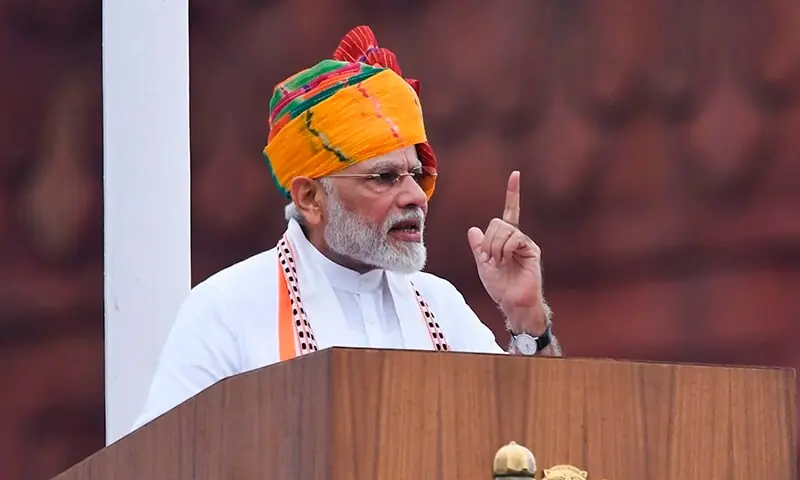
Concerns Grow Over Hate Speech and Minority Rights in India
Concerns over hate speech, discrimination and the treatment of minority communities in India have drawn renewed international attention, with the United Nations calling on the country to strengthen protections for vulnerable groups.
The UN Committee on the Elimination of Racial Discrimination has urged India to address concerns related to hate speech, discrimination and hate crimes. It has also called for respect for human rights and expressed concerns regarding the treatment of Rohingya, Bengali-speaking Muslims and migrants.
UN Raises Concerns Over Discrimination
The UN committee also highlighted reports involving racially motivated violence, unlawful killings, arbitrary detention, torture and sexual abuse.
These concerns have contributed to a broader debate about the protection of minority and disadvantaged communities in India and the government’s responsibility to ensure equal treatment under the law.
India’s authorities have a responsibility to maintain law and order while ensuring that fundamental rights are protected for all citizens and communities.
Political Rhetoric and Social Divisions
Critics of Prime Minister Narendra Modi and the ruling Bharatiya Janata Party (BJP) argue that divisive political rhetoric has contributed to increased social tensions.
They point to controversial political statements, disputes involving religious and cultural issues, and debates over the treatment of minorities as examples of growing political polarisation.
Supporters of the government, however, reject accusations that its policies are designed to target particular communities and maintain that its agenda focuses on national development, security and cultural issues.
Debate Over India’s Democratic Institutions
The discussion has also raised questions about the country’s democratic institutions and constitutional protections.
Critics say that political polarisation and communal tensions could weaken public confidence in institutions if allegations of discrimination are not addressed effectively.
There has also been debate over changes to educational material and the presentation of historical and cultural issues, with opposition groups accusing the government of promoting a particular ideological perspective.
Opposition Parties Increase Pressure
Opposition parties and civil society groups have increasingly criticised policies they believe affect minorities and disadvantaged communities.
The issue is likely to remain an important part of India’s political debate as parties discuss equality, religious freedom, social inclusion and the role of constitutional institutions.
Addressing allegations of discrimination through transparent investigations, legal safeguards and equal enforcement of the law remains important for maintaining public trust and social stability.
