


Govt Targets Rs. 48 Billion Additional Tax Revenue Through Industrial Monitoring


The government has informed the International Monetary Fund (IMF) that expanded industrial production monitoring is expected to generate an additional Rs. 48 billion in tax revenue during fiscal year 2026-27.
The development was highlighted in the IMF’s latest review report under Pakistan’s ongoing economic reform programme.
FBR Expanding Monitoring System
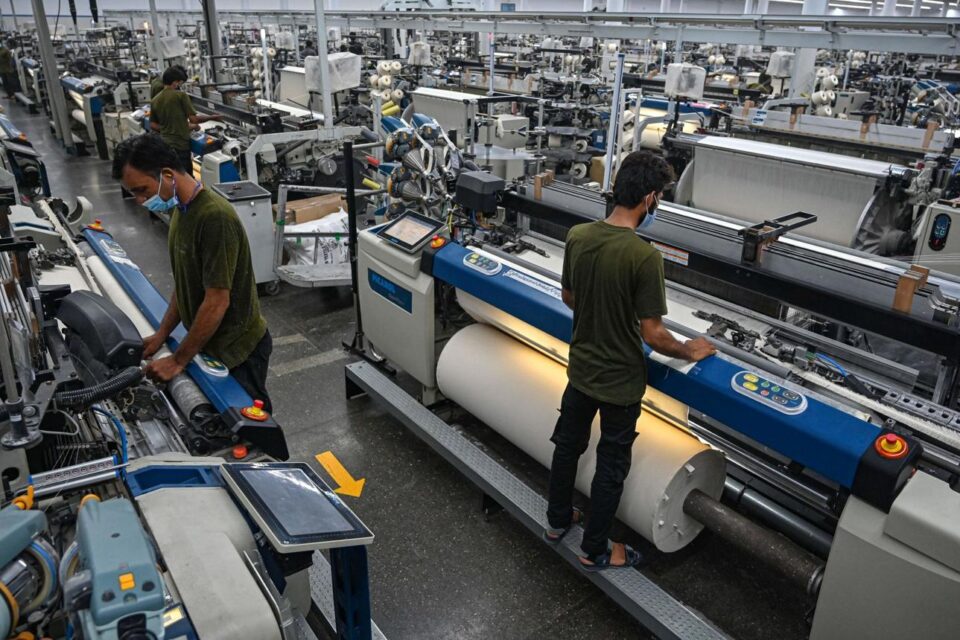
According to the report, the Federal Board of Revenue (FBR) is increasing production monitoring in sectors with large tax gaps, particularly the textile industry.
Authorities have already fully implemented monitoring systems in several major industries, including:
- Sugar
- Cement
- Tobacco
- Fertilizer
The IMF estimates that the tax gap in these monitored sectors is around Rs. 160 billion.
Textile and Beverage Sectors Under Pilot Phase
The textile and beverage industries are currently undergoing pilot testing under the new monitoring system. Officials expect full implementation to be completed by October 2026.
The FBR has assigned around 200 personnel to support operations and oversee the monitoring process.
The system is designed to improve sales tax collection by tracking production quantities more accurately and reducing underreporting in industrial sectors.
Additional Revenue Expected
According to IMF estimates, the monitoring initiative could help increase reported sales tax revenues and generate approximately Rs. 48 billion in additional tax income during FY2026-27.
The IMF said the performance of the system will be measured through several indicators, including:
- Growth in sales tax collection from monitored industries
- Comparison with previous year’s revenue figures
- Production volumes recorded through monitored facilities
Focus on Tax Reforms
Pakistan continues to implement tax enforcement and revenue reforms under its IMF-supported programme as the government seeks to improve fiscal stability and expand the tax base.
