


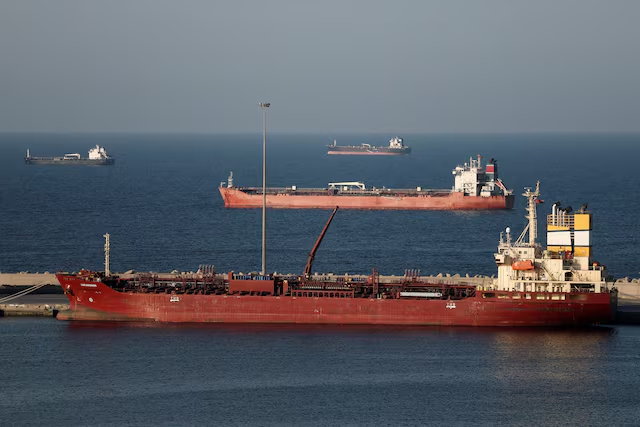
Shipping Through Strait of Hormuz Drops Sharply as Iran Issues New Navigation Warnings
LONDON: Shipping traffic through the Strait of Hormuz has fallen to less than 10% of normal levels, despite a reported ceasefire between the United States and Iran, as regional tensions continue to disrupt global maritime routes.
According to ship-tracking data, only a small number of vessels have passed through the key oil shipping lane in the past 24 hours, compared to around 140 ships under normal conditions.
Iran’s Islamic Revolutionary Guard Corps (IRGC) has reportedly advised vessels to use alternative routes near Iranian waters, including around Larak Island, citing security concerns. The guidance has led some ships to adjust their routes as precautionary measures.
The disruption follows weeks of instability in the region, which has already impacted global energy supply chains and increased volatility in oil markets. Analysts say the backlog of ships in the Gulf may take time to clear, even if traffic begins to recover.
Maritime security experts have warned that shipping companies are likely to remain cautious due to ongoing risks, particularly for vessels associated with countries involved in regional tensions.
Some reports also suggest discussions about introducing transit fees for vessels using the strait, although international maritime authorities have rejected the idea, stating there is no legal framework for tolls in international shipping lanes.
The situation has raised concerns among global energy stakeholders, as the strait is one of the world’s most important routes for oil transportation.
Officials from the United Arab Emirates’ state energy company have called for the waterway to remain open without restrictions to ensure stability in global energy markets.
Despite the ceasefire announcement, uncertainty continues, and shipping companies are closely monitoring developments before resuming normal operations.
