


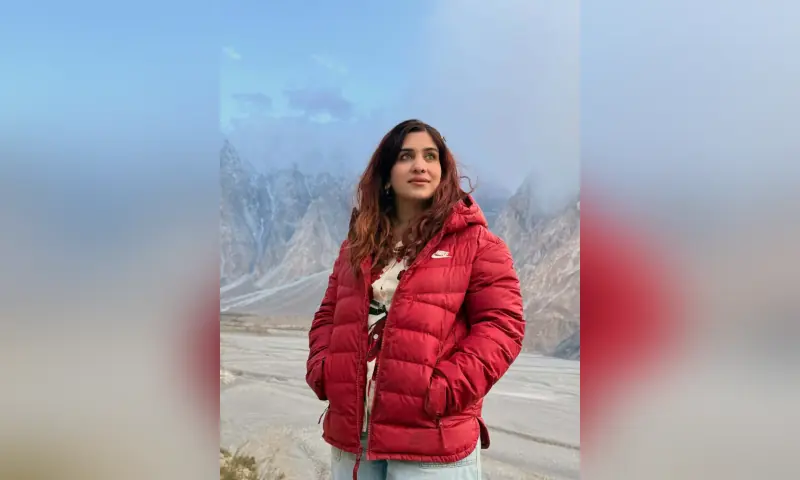
Body of Pakistani Climber Asma Mushtaq Recovered from Spantik Peak
Recovery team locates the climber nearly 10 days after she died during her descent from the 7,027-metre mountain
GILGIT: The body of Pakistani climber Asma Mushtaq has been recovered from Spantik Peak in Gilgit-Baltistan, nearly 10 days after her death during a mountaineering expedition.
The 34-year-old climber died on August 20 while descending from the 7,027-metre peak after experiencing a serious high-altitude medical emergency.
According to Alpine Club of Pakistan Secretary General Ayaz Shigri, a team of high-altitude mountaineers from Shigar began a fresh recovery mission on Friday after earlier attempts were unsuccessful because of heavy snowfall.
Recovery Operation
The volunteer team started its operation at around 3am on Monday and located Mushtaq’s body after approximately eight hours of searching.
The body was found near Camp 3 at an altitude of around 6,250 metres.
The recovery team planned to move the body to Camp 2 before it was transported toward the base camp. Pakistan Army helicopters were expected to assist with the onward transfer to Skardu after the body reached the base camp.
The latest recovery effort was carried out by mountaineers from Arundu in Shigar as a self-funded volunteer mission.
Asma Mushtaq’s Final Expedition
Mushtaq was part of a five-member Pakistani women’s mountaineering team that successfully reached the summit of Spantik.
She reached the 7,027-metre summit and was reportedly in good health at the time. However, during her descent at an altitude of around 6,400 metres, she developed a severe high-altitude medical condition.
High-altitude sickness can occur when the body does not receive enough oxygen at extreme elevations. It can affect the lungs and brain and may become life-threatening without timely treatment.
Challenges of High-Altitude Recovery
Recovering a person from an area above 6,000 metres is particularly difficult because of extreme weather, low oxygen levels, steep terrain and changing mountain conditions.
Heavy snowfall had previously prevented recovery teams from reaching Mushtaq’s body.
Weather conditions in the Karakoram region can also create additional risks for climbers and rescue teams, making recovery operations challenging.
In some cases, recovering bodies from extreme elevations is not possible because of the risks involved. The successful recovery of Mushtaq’s body therefore required a difficult and carefully coordinated effort by the volunteer mountaineers.
