


US-Iran War Costs Reach $38 Billion as Weapons Stockpiles Face Years of Replenishment
The six-month conflict between the United States and Iran has cost the US government approximately $38 billion, with expenses expected to increase by around $3 billion every month, according to an assessment by the Congressional Budget Office (CBO).
The CBO’s analysis, which covers costs through August 1, also estimates that the conflict could push US inflation 0.5% higher during the first three months of 2027.
Rising Military Costs Put Pressure on US Budget
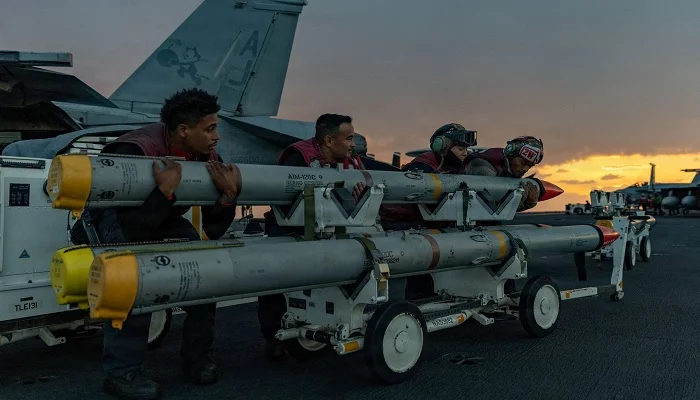
A significant portion of the war-related spending has resulted from the rapid use of US military munitions. The CBO estimates that rebuilding depleted weapons supplies could take up to five years.
The cost estimate is broadly in line with the figure provided by US Defence Secretary Pete Hegseth during a Senate hearing in July, when he said the conflict had already cost about $37.5 billion.
The CBO noted that the US Department of Defence did not cooperate with congressional financial auditors during the assessment.
The report was prepared following a request from Brendan Boyle, the leading Democrat on the House Budget Committee.
US Weapons Stockpiles Face Major Shortages
The conflict has significantly reduced supplies of critical military equipment, including precision weapons and missile interceptors.
According to the CBO, shortages could affect the Pentagon’s ability to respond to another major military crisis while existing stockpiles are being rebuilt.
Reuters reported previously that the US had used almost all of its long-range precision missiles during the conflict.
Defence Secretary Hegseth had requested nearly $90 billion in emergency funding to replenish depleted ammunition and missile inventories, warning lawmakers that the military faced serious shortages without additional funding.
Some War Costs Not Included in Estimate
The CBO’s $38 billion figure does not represent the full potential financial burden of the conflict.
The assessment did not include expenses related to more recent attacks involving commercial vessels in the Strait of Hormuz or attacks against US military facilities in the region.
It also excluded the interest and other borrowing costs associated with financing military operations. Those expenses could add tens of billions of dollars to the overall cost over time.
Energy Prices Also Affected
The conflict has also affected global energy markets. Disruptions around the Strait of Hormuz and attacks on energy infrastructure in nearby Gulf countries have contributed to higher energy prices.
Before the war, approximately 20% of global oil supplies passed through the strategically important waterway, making disruptions in the region significant for international energy markets.
Higher fuel and energy costs could add further pressure to households, businesses and governments.
US Debt Surpasses $40 Trillion
The additional military spending comes as the United States faces growing pressure from its existing fiscal obligations.
US public debt crossed the $40 trillion mark in August, increasing concerns about the long-term financial impact of additional defence spending and war-related borrowing.
The current conflict is also being compared with the financial costs of previous US military interventions.
According to figures cited by Reuters, the US war in Iraq cost approximately $2 trillion, while the two-decade conflict in Afghanistan cost about $2.3 trillion, based on estimates from Brown University’s Costs of War project.
