


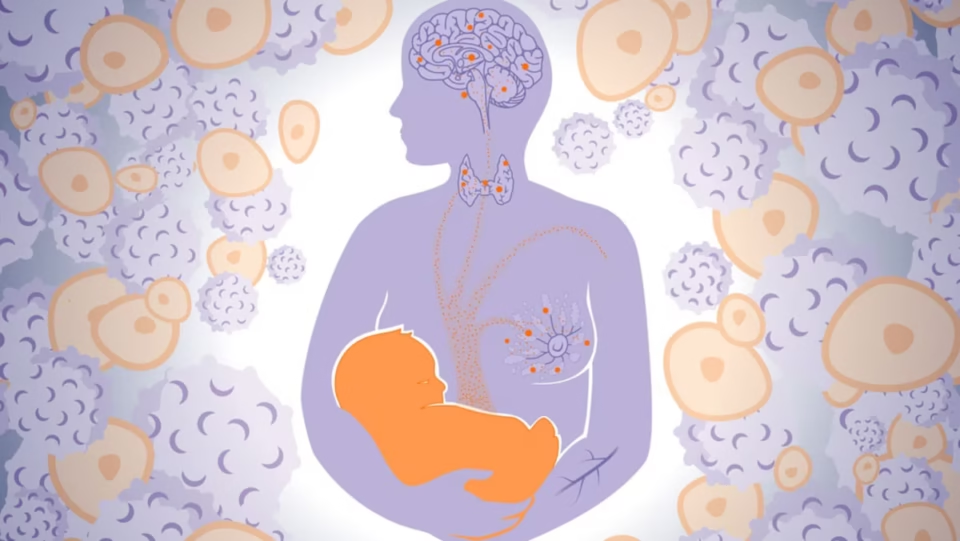
Study Suggests Fetal Cells May Remain in Mothers for Years After Pregnancy
Apr 11, 2026
A recent study published in Molecular Human Reproduction suggests that fetal cells can transfer into a mother’s body during pregnancy and may remain present for many years. This phenomenon is known as microchimerism.
Research findings
Researchers at Leiden University Medical Center analyzed tissue samples from women who had recently given birth and detected cells containing a Y chromosome, indicating a male fetal origin, in all examined samples.
The findings suggest that the presence of fetal cells in maternal tissue may be more common than previously understood.
How fetal cells may persist
Experts explain that fetal-derived cells can sometimes evade the maternal immune system, allowing them to remain in the body for extended periods. In some cases, these cells may integrate into different organs.
Studies suggest that such cells may even develop specialized functions, including contributing to tissue maintenance and repair.
Possible health implications
Scientists are still studying the long-term effects of fetal microchimerism. Early research shows mixed results, with potential links to both protective and harmful outcomes.
Some studies have explored possible associations with autoimmune conditions such as Graves’ disease and Hashimoto’s thyroiditis, although findings remain inconclusive.
Ongoing research
Researchers have also investigated potential connections between fetal cells and cancer, with varying results. Some evidence suggests these cells may appear in both protective and tumor-related contexts, but their exact role is not yet clear.
Experts emphasize that further research is needed to fully understand how fetal microchimerism affects long-term maternal health.
