


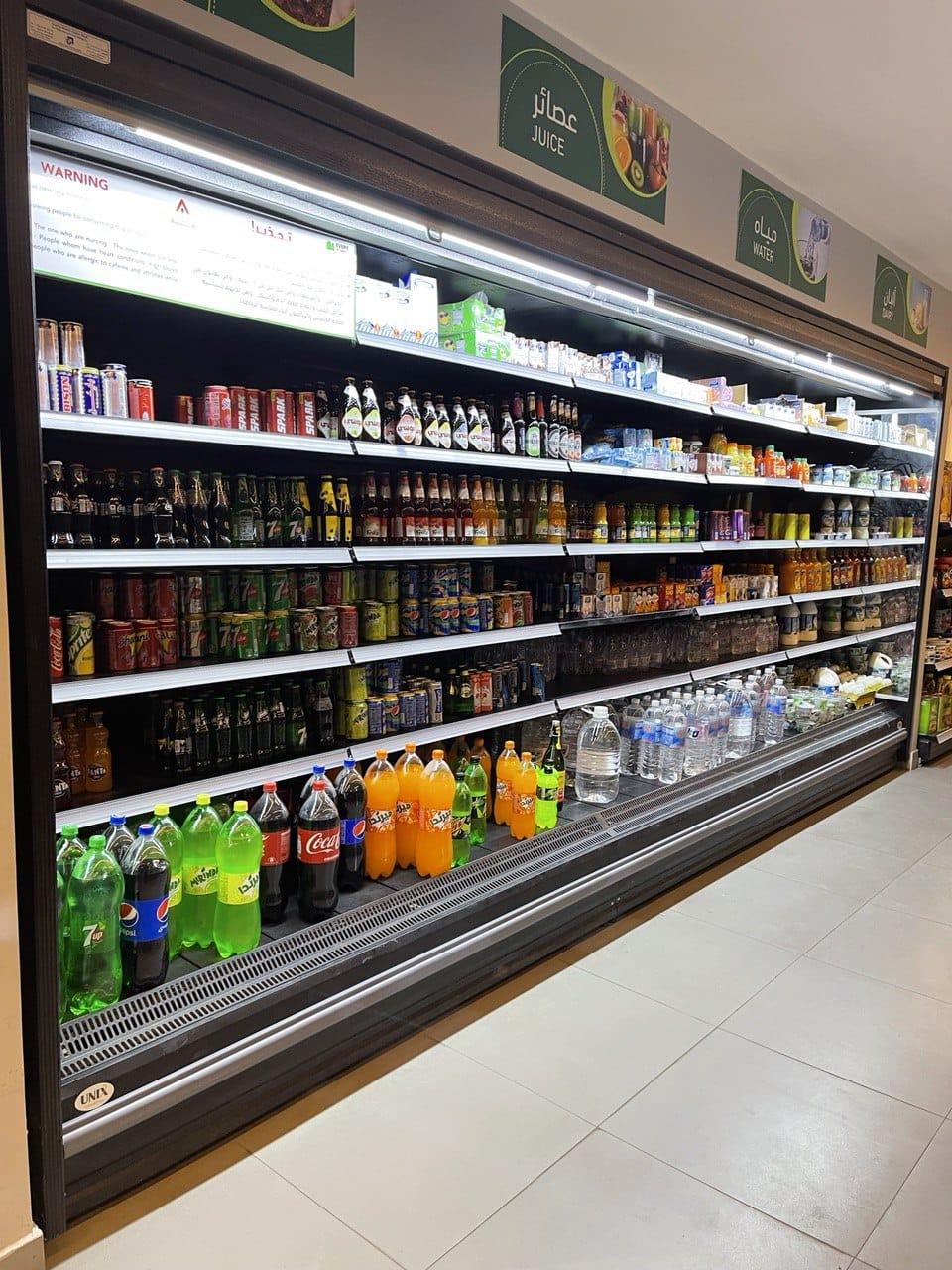
Beverage Industry Proposes Reduction in Federal Excise Duty Ahead of FY2026–27 Budget


Islamabad, June 2, 2026 — The beverage industry has proposed a reduction in the Federal Excise Duty (FED) on aerated waters from 20% to 15%, ahead of the upcoming federal budget for FY2026–27.
The proposal has been submitted to the Federal Board of Revenue (FBR) and the Ministry of Finance.
📊 Industry Claims Higher Tax Revenue with Lower Rates


The Beverages Advisory Foundation (BAF) stated that reducing the tax rate could increase formal market activity and improve overall tax collection.
According to the proposal:
- Additional Rs. 8 billion in tax revenue could be generated in the first year
- Around Rs. 63 billion cumulative tax revenue could be achieved over three years
- Industry volumes may increase by more than 16% in the first year
- Documented sector share could rise to around 88%
📉 Impact of Previous Tax Increase


The industry argues that after the FED was increased to 20% in 2023–24:
- Market growth slowed
- Tax collection growth dropped to low levels
- Informal (undocumented) sector share increased to around 20%
The association believes higher taxes have encouraged tax evasion in parts of the market.
📈 Proposed Economic Outlook


Under the proposed reduced-rate scenario, the industry estimates:
- Total tax revenue of around Rs. 185 billion in FY2026–27
- Increase of Rs. 18 billion compared to current baseline
- Long-term revenue of up to Rs. 238 billion by FY2028–29
- Cumulative tax gains of Rs. 63 billion over three years
The industry also argues that a lower tax rate could encourage investment in distribution, production, and market expansion.
🏛️ Budget Context


The federal budget for FY2026–27 is expected to be announced in the coming days after approval by the National Economic Council (NEC).
Officials are also reviewing a consolidated development programme and broader macroeconomic targets, including growth and inflation projections.
📌 Conclusion
The proposal reflects ongoing discussions between industry stakeholders and the government on balancing taxation, market growth, and revenue collection ahead of the new fiscal year budget.
