


US Reportedly Plans Reduction in Military Assets Available for NATO Operations
The United States is reportedly planning to reduce the number of aircraft and naval assets it makes available for NATO operations in Europe, according to a report published by the New York Times.
The report, citing senior European officials, states that the move would affect several key military resources currently deployed or assigned to NATO missions.
Reported Changes in Military Deployment
According to the report, the planned adjustments include reducing the number of F-16 and F-15E fighter jets made available for NATO operations from approximately 150 to 100.
The number of maritime reconnaissance aircraft is also expected to be reduced from 26 to 15, while eight aerial refuelling tanker aircraft previously assigned to Europe may be withdrawn.
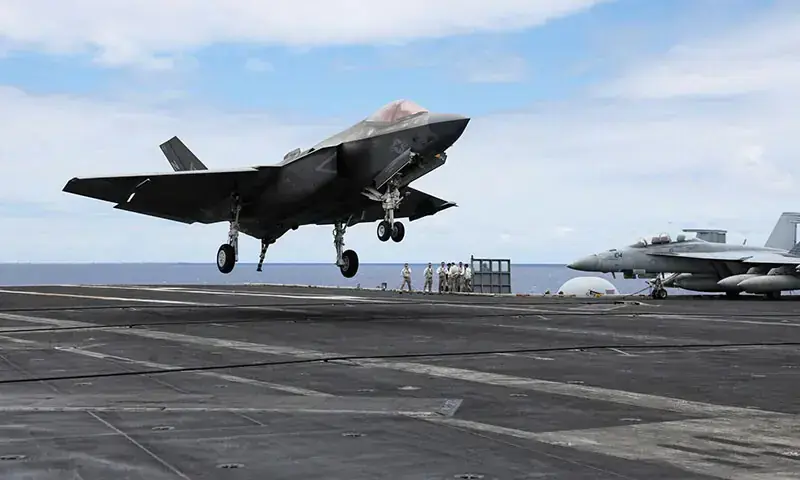
In addition, the United States is reportedly considering redeploying certain naval assets, including a missile-launching submarine, an aircraft carrier, several warships, and supporting aircraft linked to carrier strike groups.
The report also suggests that one of two bomber groups previously assigned to European defence responsibilities could be reassigned elsewhere.
NATO Response
A NATO spokesperson stated that the alliance continues to adapt as member countries adjust their defence contributions. The spokesperson noted that increased defence spending and capability development among European allies and Canada could help balance responsibilities within the alliance.
The statement emphasized that changes in force distribution may contribute to a more balanced and flexible NATO structure over time.
Official Comments and Context
The US Department of Defense did not immediately comment on the report. However, US European Command recently indicated plans to “rightsize” its contributions to NATO’s force structure, without providing specific details.
The reported changes come as NATO members continue discussions on burden-sharing, defence investment, and long-term strategic planning within the alliance.
