
Punjab Introduces Separate Religious Education Curriculum for Non-Muslim Students
Punjab has approved a separate religious education curriculum for non-Muslim students in government schools, marking a major step toward more inclusive education in the province.
The Punjab Curriculum and Textbook Authority (PCTB) has issued an official notification confirming that the new textbooks will be introduced from the academic session 2026–27.
Faith-Based Education for Minority Students
Under the new policy, students from minority communities will be taught religious education according to their respective faiths.
Officials said the initiative is aimed at promoting inclusivity and ensuring that students receive instruction aligned with their religious beliefs.
Curriculum Details for Different Communities
According to official details:
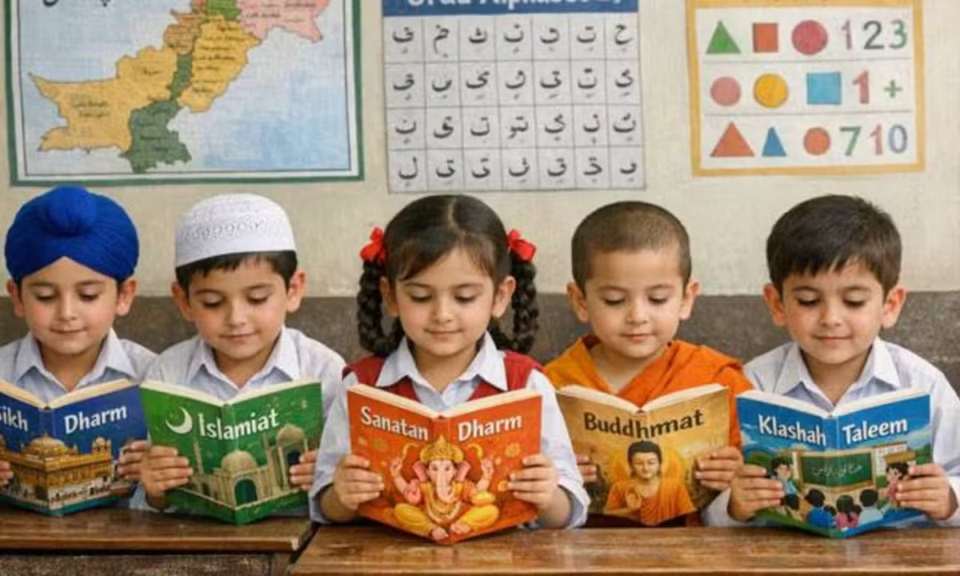
- Christian students from Grades 1 to 9 and 11 will study Christian Education
- Hindu students in Grades 1 to 3 will study Sanatan Dharma
- Sikh students in Grades 1 to 3 will study Sikh Dharma
- Buddhist students in Grades 1 to 3 will study Buddhism
- Zoroastrian students from Grades 1 to 5 will follow a Zoroastrianism curriculum
- A separate curriculum titled Kalasha Education has also been introduced for the Kalasha community
Implementation from Next Academic Year
The new curriculum will be implemented starting from the 2026–27 academic session. The notification has been shared with education boards, district authorities, and relevant institutions for execution.
Officials added that the step is intended to strengthen educational inclusion and ensure equal learning opportunities for all students across Punjab.
