


Sindh Mango Growers Face Challenging Season as Disease and Market Pressures Grow
HYDERABAD: Sindh’s famous mango industry is facing another difficult season as growers, contractors and exporters deal with crop diseases, pest attacks, export challenges and weaker market conditions.
Industry representatives say a combination of climate-related factors, changing market dynamics and regional trade disruptions has affected both the quality of this year’s harvest and growers’ earnings.
Crop Quality Affected by Disease and Pests
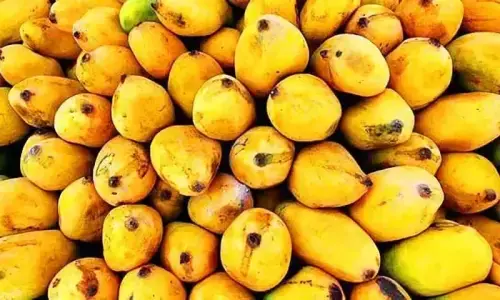
Many orchard contractors report that a significant portion of the Sindhri mango crop has been affected by disease and insect attacks, reducing fruit quality and market value.
Contractors working in lower Sindh say the season has become financially challenging, with some deciding to withdraw from orchard agreements after facing heavy losses.
Experts point to mango malformation disease, locally known as batoor, as one of the major concerns. The disease affects flowering and can weaken fruit development, while pest infestations such as hoppers and thrips further reduce production and fruit quality.
Research and Better Farm Management Needed
Agriculture experts believe improved research and modern orchard management practices are essential to address the growing challenges.
Mahmood Nawaz Shah, President of the Sindh Abadgar Board, said climate-related changes have increased disease and pest pressure in recent years. He stressed the need for research-based solutions to help farmers protect future crops.
According to the Sindh Agriculture Research Department, the province’s mango cultivation area has declined from 62,455 hectares in 2016 to 58,900 hectares in 2025.
Some orchard owners are also planning to prune older and taller trees to improve sunlight, airflow and spray coverage, hoping to enhance production in the coming seasons.
Weak Market Conditions Add to Growers’ Problems
Apart from production challenges, growers say marketing conditions have remained difficult this year.
Industry participants believe lower export demand, delays in shipments and the closure of trade routes with Afghanistan have increased the supply of mangoes in local markets, putting pressure on prices.
Afghanistan has traditionally been an important market for lower-grade mangoes, helping stabilize domestic prices during the harvest season.
As supply increased, wholesale prices declined compared with last year, providing consumers with more affordable fruit but reducing returns for growers and traders.
Exporters Highlight Global Challenges
Some exporters say the start of the export season was influenced by international market conditions, including Eid holidays in key importing countries, shipping schedules and regional tensions affecting logistics.
Exporters also note that overseas buyers place strong emphasis on fruit size, appearance and quality. They believe improving these standards could help Pakistan increase exports and compete more effectively in international markets.
Although exports account for only a small share of total mango production, industry representatives agree that improving quality, strengthening research and expanding export opportunities will be important for the long-term growth of Pakistan’s mango sector.
