


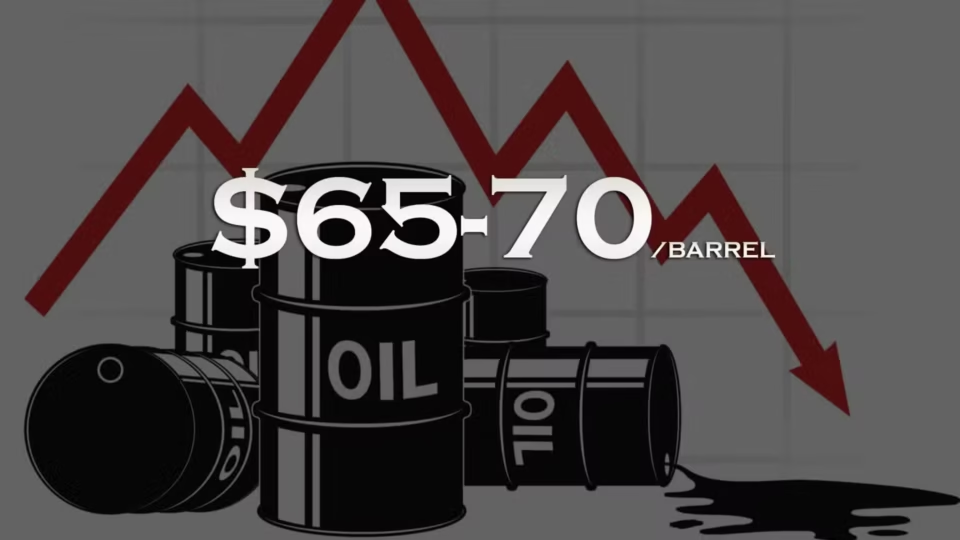
Oil Prices Extend Decline as Supply Concerns Ease
Global oil prices continued to move lower on Thursday, reaching their lowest levels in nearly four months as market concerns over potential supply disruptions eased.
Brent crude and U.S. West Texas Intermediate (WTI) crude both recorded further declines, extending losses from the previous trading session. Analysts attributed the downward trend to improving stability in energy supply routes and reduced uncertainty in key oil-producing regions.
Market sentiment improved after signs that shipping activity through the Strait of Hormuz, one of the world’s most important energy transit routes, was returning to normal levels. Increased movement of oil cargoes has helped ease concerns about potential supply shortages in global markets.
Oil prices had already experienced a significant drop earlier in the week as traders reacted to developments that reduced fears of prolonged disruptions to international energy supplies.
Industry observers noted that improving transportation flows and expectations of stable supply conditions have contributed to the recent decline in crude prices.
The market is also closely watching ongoing diplomatic efforts aimed at supporting regional stability and maintaining uninterrupted energy trade. Analysts believe continued progress in these discussions could help support confidence across global commodity markets.
Lower oil prices are often closely monitored by governments, businesses and consumers because of their potential impact on fuel costs, transportation expenses and broader economic activity.
While energy markets remain sensitive to geopolitical developments, recent trends suggest that supply conditions are becoming more stable compared to earlier periods of uncertainty.
Investors and market participants will continue to monitor global demand, production levels and international developments for further indications of where oil prices may head in the coming weeks.
