


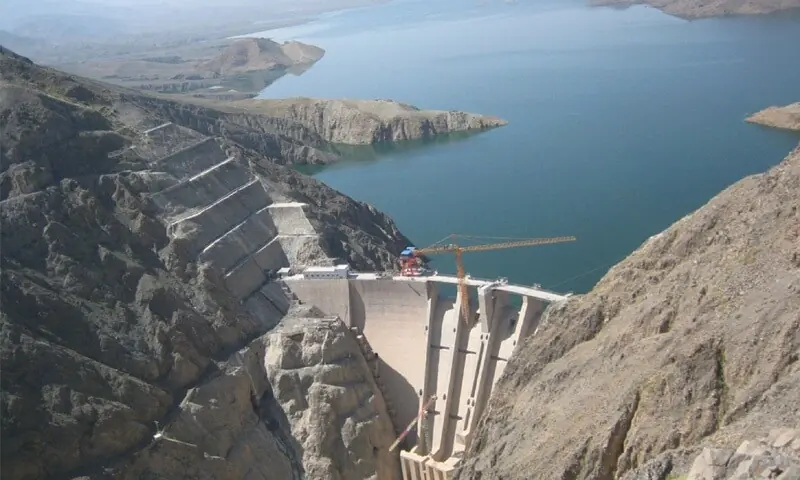
Gomal Zam Hydropower Station Returns to Full Capacity After Eight-Year Restoration
The Water and Power Development Authority (WAPDA) has restored the Gomal Zam Hydropower Station to its full electricity generation capacity after eight years, marking a significant milestone for Pakistan’s renewable energy sector.
According to WAPDA, both generating units of the hydropower station are now fully operational and have been successfully synchronized with the national grid, allowing the facility to produce its full installed capacity of 17.4 megawatts (MW).
The power station had been operating at half capacity since October 2016, when a major technical fault forced both generating units out of service. One unit was repaired and restarted in June 2018, restoring 8.7 MW of electricity generation, while the second unit remained inactive due to the complexity of the repairs.
To restore the remaining unit, WAPDA launched a rehabilitation project in April 2026 with an estimated cost of Rs. 359.5 million. The project was completed within 80 days, ahead of schedule, and the repaired unit was recommissioned on June 25, 2026 after successfully passing all required technical and safety tests.
With both turbines back online, the hydropower station is expected to generate approximately 90.9 million units of clean and low-cost electricity annually, contributing additional renewable energy to Pakistan’s national grid.
Officials said the restoration will improve electricity supply and grid stability in South Waziristan, Tank, Dera Ismail Khan, and surrounding areas of southern Khyber Pakhtunkhwa.
The Gomal Zam Hydropower Station is connected to the national grid through the 132-kilovolt South Waziristan Lower–Tank transmission line and forms part of the larger Gomal Zam Dam project.
Completed in 2013, the multipurpose dam has a gross water storage capacity of approximately 1.14 million acre-feet and supplies irrigation water to nearly 191,000 acres of agricultural land. In addition to generating electricity, the project supports flood management, water conservation, and agricultural development across the region.
