


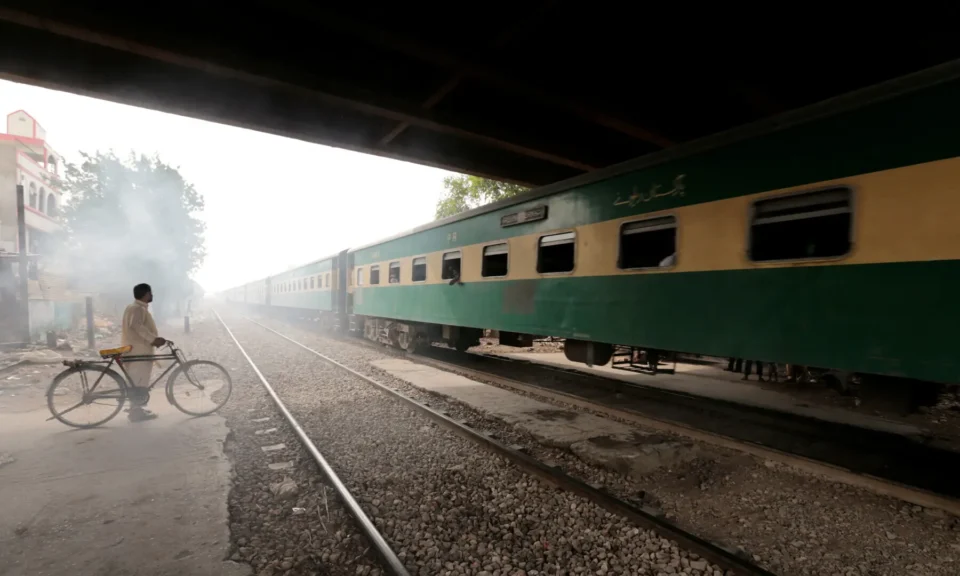
Pakistan Plans $390 Million Bridge Financing for ML-3 Railway Upgrade Linked to Reko Diq Project
ISLAMABAD: Pakistan is moving forward with the rehabilitation of its Main Line-3 (ML-3) railway corridor through a proposed $390 million bridge financing arrangement to support transportation needs for the Reko Diq mining project.
The 996-kilometre railway upgrade will modernize the Rohri-Sibi-Quetta-Koh-i-Taftan route, improving freight capacity, passenger services and regional trade connectivity.
Bridge Financing to Support Early Project Work
According to official documents, the bridge financing will be provided by the Reko Diq Mining Company (RDMC) and is expected to be repaid by the federal government through a lump-sum payment by June 2028.
The overall ML-3 project is estimated to cost around Rs280 billion (approximately $892 million) and will eventually be financed through the Public Sector Development Programme (PSDP), with interim funding supporting early implementation.
The Executive Committee of the National Economic Council (ECNEC) is expected to consider the project after several observations raised by the Planning Commission are addressed.
Railway Upgrade to Support Mining and Trade
The rehabilitation project is designed to improve transportation for the Reko Diq copper and gold mining project while also strengthening Pakistan’s railway infrastructure.
Planned work includes:
- Renewal of railway tracks
- Rehabilitation of bridges and embankments
- Replacement of railway turnouts
- Construction of 11 new railway stations between Spezand and Taftan
- Procurement of modern railway equipment and machinery
Officials say the project will improve freight movement, reduce travel times and increase railway capacity across southwestern Pakistan.
Faster Trains and Greater Freight Capacity
The existing ML-3 railway line has aged significantly, with trains currently operating at reduced speeds of 10 to 15 kilometres per hour in some sections.
After rehabilitation, operating speeds are expected to increase to 100 kilometres per hour, allowing more efficient transportation of minerals and commercial goods.
Freight traffic on the Quetta-Taftan route is also expected to grow substantially once the railway upgrade is completed and mining operations at Reko Diq reach full production.
Regional Connectivity Expected to Improve
Officials believe the upgraded railway corridor will strengthen Pakistan’s trade links with Iran and Türkiye, while also improving access to Gwadar Port for mineral exports.
The project is expected to support economic activity by improving logistics, facilitating exports and creating employment opportunities during construction and future operations.
Planning Commission Raises Financial Questions
While reviewing the proposal, the Planning Commission highlighted several issues requiring further clarification before final approval.
Among its observations were the project’s financing schedule, repayment obligations under the bridge financing arrangement and the allocation for security-related expenditures during construction.
The commission also sought details on long-term security planning for the railway corridor after completion and emphasized the importance of ensuring timely funding to avoid delays and cost increases.
