


Lasting US-Iran Peace Requires a New Strait of Hormuz Security Framework
Sustainable peace between the United States and Iran will require more than agreements on sanctions or nuclear issues, according to security experts. They argue that long-term stability depends on addressing the strategic importance of the Strait of Hormuz through a mutually acceptable maritime security framework.
Recent diplomatic efforts involving regional countries, including Pakistan, have helped keep communication channels open during periods of heightened tensions. While these initiatives have not produced a final agreement, they have encouraged dialogue and reduced the immediate risk of further escalation.
Why the Strait of Hormuz Matters
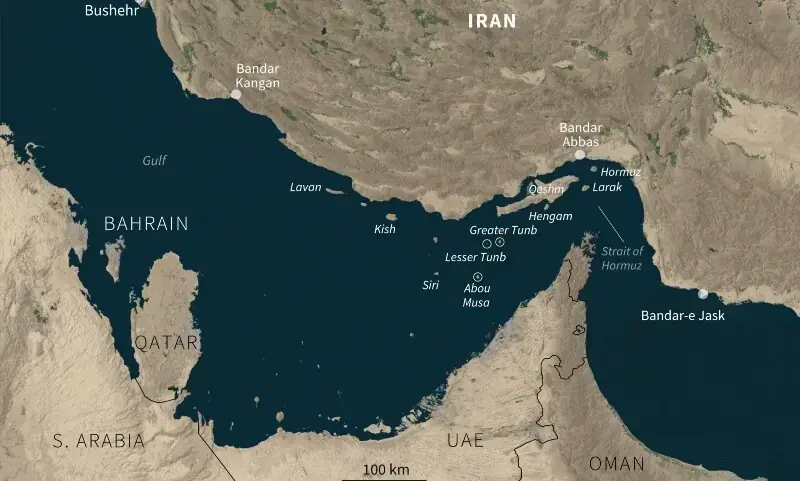
The Strait of Hormuz is one of the world’s most important maritime routes, connecting the Persian Gulf with the Arabian Sea. A significant portion of global oil and liquefied natural gas (LNG) exports passes through the waterway, making it vital to international energy supplies and global trade.
Because of its strategic location, the Strait remains central to regional security and international economic stability.
Different Perspectives
The United States has consistently emphasized the importance of maintaining freedom of navigation and ensuring uninterrupted commercial shipping through the Strait under international maritime law.
Iran, meanwhile, considers the Strait of Hormuz an important element of its national security and regional strategic position due to its geographic location along the northern coastline of the waterway.
These differing views have remained one of the major challenges in efforts to improve relations between the two countries.
Beyond the Nuclear Issue
Although Iran’s nuclear program often dominates international discussions, analysts suggest that maritime security in the Strait of Hormuz remains a key long-term issue that also requires diplomatic attention.
Experts believe that addressing both nuclear concerns and regional maritime security could provide a more comprehensive foundation for future negotiations.
Regional Diplomacy Continues
Several regional countries, including Pakistan, Qatar, Saudi Arabia, Türkiye and Egypt, have continued to encourage dialogue between Washington and Tehran. Their diplomatic engagement reflects a broader effort to reduce tensions and support regional stability.
Analysts note that communication between countries often continues even during periods of political or military tension, creating opportunities for future negotiations.
Importance of a Maritime Security Framework
Security experts argue that a lasting agreement would likely require a balanced framework that:
- Protects international shipping and freedom of navigation.
- Addresses the security concerns of regional countries.
- Helps reduce the risk of future military escalation.
- Supports regional stability and global energy security.
Looking Ahead
The Strait of Hormuz remains one of the world’s most strategically important waterways. Many observers believe that while progress on nuclear issues is important, long-term peace between the United States and Iran will also depend on finding practical solutions to broader regional security concerns.
A comprehensive diplomatic approach that includes maritime security, regional cooperation and continued dialogue may help create a more stable environment for the Gulf region and the global economy.
