


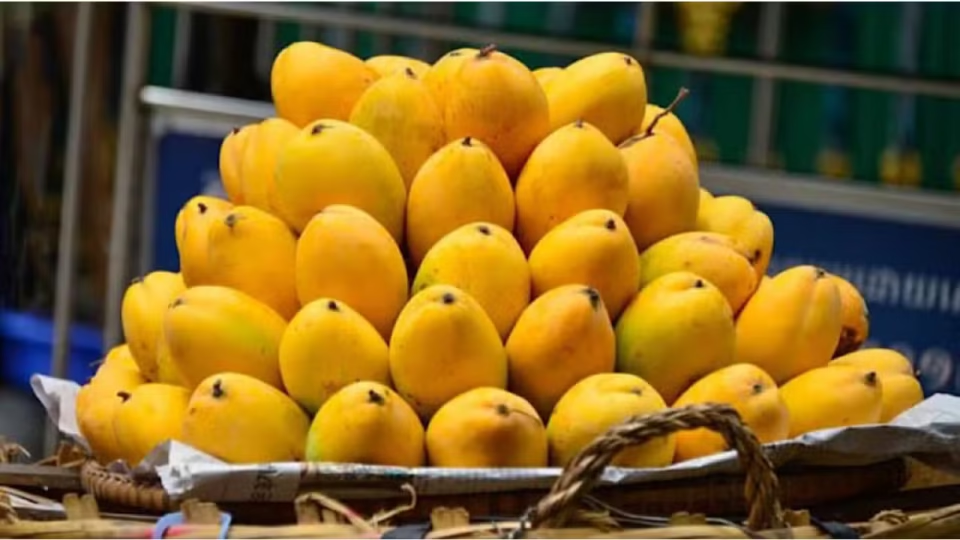
Pakistan’s Mango Exports Expected to Drop by 30% Amid Regional Trade Challenges
Pakistan’s mango exports are projected to decline by nearly 30% this year due to ongoing disruptions in regional trade routes, rising shipping costs, and reduced demand in key export markets.
Exporters estimate that total overseas shipments may fall by around 30,000 tonnes, bringing the season’s exports down to approximately 80,000 tonnes compared to last year. Pakistan remains one of the world’s leading mango exporters and earns about $110 million annually from the fruit’s exports.
Industry representatives say the Middle East is the largest market for Pakistani mangoes, accounting for nearly 80% of total exports. However, regional tensions, including instability affecting trade routes through Iran, Afghanistan, and parts of the Gulf, have created logistical challenges and reduced market demand.
According to Waheed Ahmed, a representative of the exporters’ association, most mango shipments depend heavily on Gulf countries. He noted that recent regional developments have disrupted supply chains, and any temporary easing of tensions is unlikely to fully benefit the current mango season due to its short duration.
Exporters are also facing increased freight costs. Shipping a 25-tonne container of mangoes, which previously cost around $1,400, has become significantly more expensive due to higher fuel prices and trade route disruptions near key maritime corridors.
In addition to export challenges, domestic demand has also slowed as inflation continues to affect household spending, leading to reduced consumption of seasonal fruits.
Pakistan produces more than two dozen mango varieties, including well-known types such as Sindhri and Chaunsa. The country’s annual mango production is estimated at around 1.8 million tonnes, making it one of its most important horticultural crops. However, the sector continues to face pressure from climate change, water shortages, and shifting global trade conditions.
