


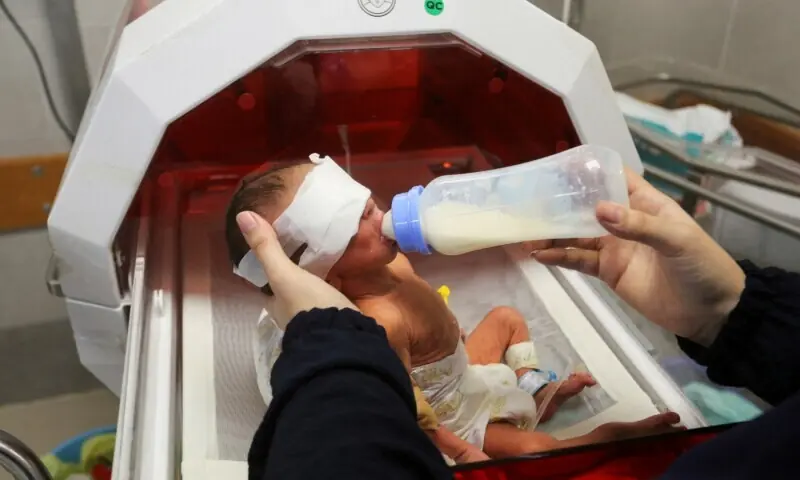
New Study Finds Limited Evidence Linking Extreme Heat to Premature Births in Pakistan
Lahore: A large-scale study examining nearly 47,000 births across four Pakistani cities has found that extreme heat during pregnancy appears to have little overall impact on the risk of premature birth. Researchers say the observed relationship becomes minimal after accounting for regional and seasonal differences.
The research was conducted by Dr. Shaper Mirza of the Lahore University of Management Sciences (LUMS) and Dr. Faridah Amir Ali of the Indus Hospital and Health Network. The team analyzed records of 46,773 births that took place between June 2021 and July 2024 in Karachi, Lahore, Muzaffargarh, and Badin.
Premature birth, defined as delivery before 37 weeks of pregnancy, remains one of the leading causes of newborn deaths worldwide. Pakistan continues to experience one of the highest rates of preterm births while also facing prolonged periods of extreme summer temperatures, particularly in Sindh and southern Punjab.
Previous studies conducted in countries such as the United States, Israel, and parts of Europe have suggested that high temperatures may increase the likelihood of premature birth. However, evidence from South Asia has remained limited, prompting researchers to investigate the issue in Pakistan.
Indoor Heat Exposure Also Considered
The researchers noted that many women in Pakistan spend much of their time indoors, where temperatures can become extremely high due to cooking in poorly ventilated kitchens and limited access to cooling systems. Since direct measurements of indoor heat exposure were unavailable, city-wide outdoor temperatures were used as an estimate.
Initial Findings Changed After Further Analysis
Overall, 25.8% of the recorded births were premature, although the rate differed significantly by location. Lahore recorded the lowest rate at 13.1%, while Badin reported the highest at 36%.
An early analysis suggested that mothers exposed to at least one hot and humid day above 33°C during the final trimester had approximately 33% higher odds of delivering prematurely. However, after researchers adjusted for differences between cities and seasonal birth patterns, the association became extremely small and statistically insignificant.
Why Badin Stood Out
The study found that Badin played a major role in the initial results. Nearly all pregnancies in the district experienced at least one very hot day, while the area also had the highest premature birth rates. Researchers believe that seasonal healthcare access, agricultural work, maternal nutrition, and infections may explain these trends more effectively than heat exposure alone.
Multiple Methods Used
To strengthen their findings, the research team applied five separate statistical approaches to the data.
- Two methods found no meaningful association between heat and premature birth.
- Two others detected a possible relationship only when Badin was included, but the association disappeared after removing the district from the analysis.
- One method identified a small increase in risk among mothers exposed to more days with temperatures of 40°C or higher during the middle months of pregnancy. Even then, the increase was modest—around 4% higher odds—and researchers noted that other unmeasured factors could fully explain the result.
A more advanced statistical model designed to evaluate delayed effects of heat did not find any lasting relationship between high temperatures and premature birth.
Researchers Recommend More Detailed Studies
The researchers conclude that future studies should carefully separate the effects of location, season, and other maternal health factors before attributing premature births to extreme heat.
They recommend collecting more detailed information on mothers’ health, living conditions, nutrition, and actual heat exposure while using multiple analytical methods to ensure reliable results.
