


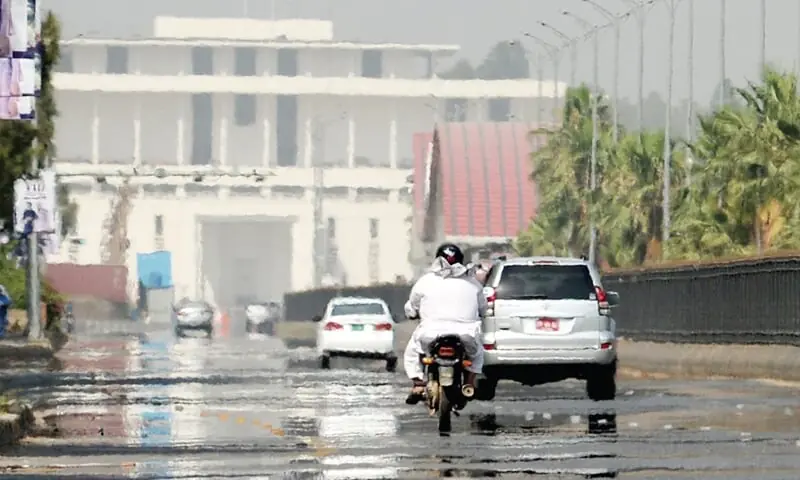
PMD Warns of Below-Normal Rainfall and Rising Temperatures Across Pakistan (July–September 2026)
The Pakistan Meteorological Department (PMD) has forecast below-normal rainfall and above-normal temperatures across most parts of the country during the July to September 2026 period.
According to the latest three-month outlook, conditions are expected to remain drier than usual in many regions, while temperatures are likely to stay higher than average throughout the season.
Weather Patterns Linked to Ocean Conditions
The PMD report highlights that the Indian Ocean Dipole (IOD) is currently in a neutral phase and is expected to shift towards a positive phase in the coming months. However, its impact on rainfall may remain limited due to the timing of the change.
At the same time, warming sea surface temperatures in the central and eastern Pacific Ocean suggest developing El Niño conditions. This weather pattern is typically associated with reduced monsoon rainfall in Pakistan.
Rainfall Outlook Across the Country
The department’s probabilistic forecast indicates:
- Below-normal rainfall expected in most areas of Punjab, Sindh, southern Khyber Pakhtunkhwa, and much of Balochistan
- Normal to slightly above-normal rainfall likely in Gilgit-Baltistan, Kashmir, and upper parts of Khyber Pakhtunkhwa
Overall, the country is expected to experience a general trend of reduced rainfall during the season.
Temperature Forecast
PMD predicts above-normal temperatures across Pakistan, with the highest increases expected in northeastern Punjab, eastern Gilgit-Baltistan, southern KP, eastern Balochistan, and western Sindh.
Northern mountainous regions may still experience moderate conditions due to occasional rainfall, but plains are likely to face sustained heat.
Risks and Possible Impacts
The forecast also warns of several weather-related risks, including:
- Increased chances of flash floods and landslides in northern areas
- Urban flooding in major cities during heavy rainfall events
- Faster snowmelt in northern regions, increasing river flows
- Higher risk of glacial lake outburst floods (GLOFs) in mountainous areas
- Greater spread of dengue and other vector-borne diseases
- Potential damage to crops due to heat, windstorms, dust storms, and hailstorms
Farmers have been advised to take precautionary measures to protect standing crops, especially water-intensive Kharif crops such as rice, cotton, sugarcane, and maize.
Heat Stress and Safety Advisory
The PMD has also warned that prolonged high temperatures could trigger heat stress conditions, particularly in southern Punjab and Sindh.
Authorities have been advised to take preventive measures, including securing billboards and protecting solar installations from strong winds and storm damage.
