


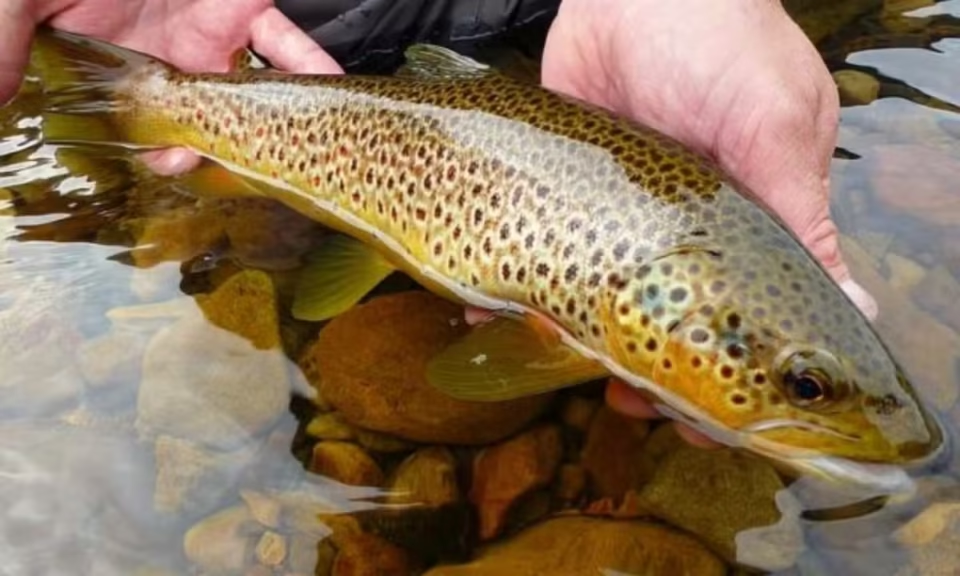
Trout Population in Gilgit-Baltistan Declines by 50% Over Two Decades
Experts and officials have reported a significant decline in trout populations in Gilgit-Baltistan, with numbers falling by an estimated 50% over the past 20 years due to environmental changes, habitat loss, and fishing pressure.
Trout, a key freshwater species found in the region’s glacier-fed rivers and lakes, depends on cold, clean, and oxygen-rich water. However, changing climate conditions and human activities are increasingly affecting its natural habitat.
Climate Change and Habitat Disruption
According to conservation experts, climate-related events such as flash floods and glacial lake outburst floods have damaged trout spawning areas by altering riverbeds and increasing sediment levels.
Officials also noted that hydropower projects in some areas have disrupted natural river flow, limiting the movement of fish and affecting breeding patterns.
Impact of Overfishing and Illegal Practices
Environmental specialists say illegal fishing methods and increased fishing pressure have further contributed to the decline. In some cases, the use of prohibited techniques has damaged aquatic ecosystems.
Authorities have also observed a reduction in average fish size, indicating long-term stress on natural populations.
Fishing is officially restricted during breeding seasons, and permits are required. However, enforcement challenges remain in remote areas.
Growth of Trout Farming
Despite the decline in wild trout, aquaculture has expanded significantly in Gilgit-Baltistan. The number of trout farms has increased sharply in recent years, producing hundreds of tons annually for local markets and tourism demand.
Fisheries officials say farmed trout is becoming increasingly popular among tourists and local consumers, supporting livelihoods in the region.
Conservation Efforts
Experts are calling for stronger conservation measures, including improved enforcement, habitat protection, and community-based fish management programs.
They suggest that sustainable fishing models could help restore wild trout populations while also supporting local economic development.
