


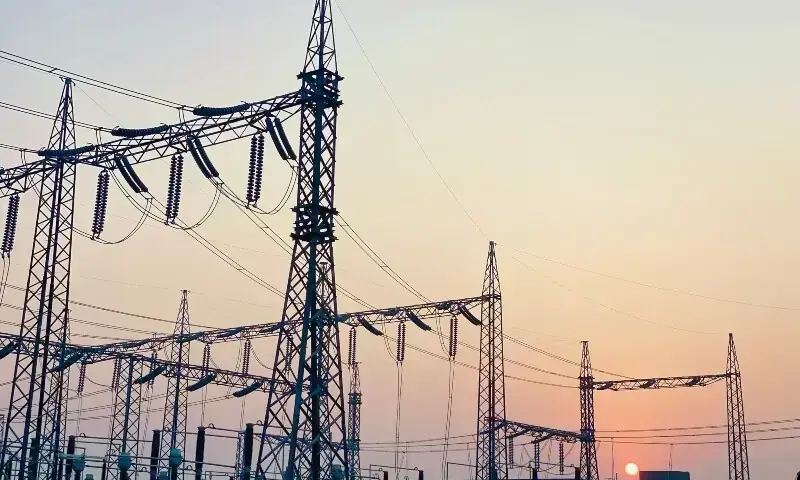
World Bank Approves $375.9 Million to Modernize Pakistan’s Power Transmission System
The World Bank has approved $375.9 million in financing to support Pakistan’s efforts to modernize its electricity transmission network, improve grid reliability, and expand the use of renewable energy across the country.
The funding will support the Grid Stability Enhancement Project, which is the first phase of the Boosting Energy Security through Transmission in Pakistan (BEST-PAK) programme. The long-term initiative is designed to strengthen Pakistan’s power infrastructure over the next decade.
Improving Grid Stability and Reducing Power Outages
According to the World Bank, the project aims to address major challenges in Pakistan’s electricity transmission system, including grid instability and transmission bottlenecks that often lead to power disruptions and limit the efficient delivery of electricity.
Modern transmission equipment will be installed at key substations to improve the stability of the national grid, enhance electricity flow, and increase the reliability of power supplies for households, businesses, and industries.
Supporting Renewable Energy Growth
The project will also help integrate more renewable energy into Pakistan’s power system. Upgraded transmission infrastructure is expected to enable the delivery of approximately 640 megawatts of wind energy that is currently unable to reach consumers because of network limitations.
In addition, the improved grid will support the integration of nearly 491 megawatts of planned private-sector renewable energy projects, helping Pakistan move closer to its goal of increasing the share of renewable energy in the national electricity mix.
Economic and Environmental Benefits
World Bank Country Director Bolormaa Amgaabazar said that strengthening Pakistan’s transmission network is essential for improving energy security and supporting the country’s broader economic development.
She noted that modern transmission infrastructure can help reduce electricity costs, improve grid efficiency, and create a stronger foundation for businesses, industries, and households while encouraging greater use of clean energy.
The World Bank estimates that the project could prevent approximately 832,500 tonnes of carbon dioxide emissions each year, resulting in more than 20 million tonnes of avoided emissions over the project’s expected 25-year lifespan.
Supporting Power Sector Reforms
Alongside infrastructure improvements, the programme will support ongoing reforms in Pakistan’s power transmission sector. These reforms include strengthening governance, improving operational performance, increasing accountability, and supporting the restructuring of the National Transmission and Dispatch Company (NTDC) into more specialized organizations.
The initiative is also expected to create a stronger environment for future private investment in Pakistan’s electricity sector.
Climate-Resilient Infrastructure
Recognizing Pakistan’s vulnerability to climate-related challenges such as floods and extreme heat, the project includes climate-resilient engineering standards for all new installations.
Infrastructure will be designed with elevated platforms to reduce flood risks, while electrical equipment will be capable of operating in temperatures of up to 55°C, helping ensure reliable performance during heatwaves and the monsoon season.
