


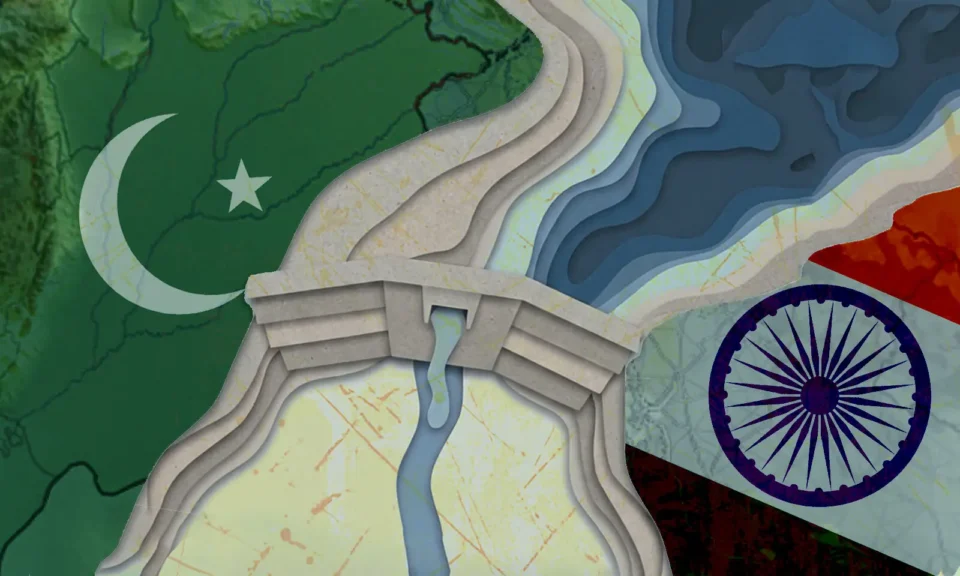
Why Preserving the Indus Waters Treaty Matters for Regional Stability
The Indus Waters Treaty (IWT) remains one of the world’s longest-standing water-sharing agreements, often cited as an example of cooperation between neighboring countries despite periods of political tension. Experts continue to emphasize the importance of maintaining dialogue and treaty-based mechanisms to help ensure regional stability and effective water management.
International Cooperation Through Water Agreements
Speaking at a seminar on the Indus Waters Treaty in Islamabad, policy and diplomacy expert Laurie A. Watkins highlighted the broader significance of international water agreements. According to Watkins, treaties governing shared rivers are designed to encourage cooperation, transparency, and peaceful dispute resolution rather than conflict.
She noted that many international river systems rely on institutional frameworks that allow countries to exchange information, hold regular meetings, and address technical issues before they become larger disputes.
Lessons From Other International River Basins
Watkins pointed to examples such as the Danube River and the Mekong River, where cooperation between multiple countries has helped support long-term water management.
According to experts, regular data sharing and communication are key elements in reducing misunderstandings and improving coordination between neighboring states that depend on shared water resources.
The Role of the Indus Waters Treaty
Signed in 1960 with the support of the World Bank, the Indus Waters Treaty established a framework for managing the waters shared by Pakistan and India.
The agreement also created the Permanent Indus Commission, allowing representatives from both countries to meet regularly, exchange technical information, conduct inspections where applicable, and resolve concerns through a structured dispute-resolution process.
The treaty has remained in place through decades of changing political circumstances, making it one of the most recognized examples of long-term international water cooperation.
Importance of Treaty-Based Dialogue
Watkins stressed that continued engagement through established legal and institutional mechanisms is important for maintaining confidence between the two countries.
She emphasized that communication, data exchange, and existing dispute-resolution procedures remain valuable tools for addressing differences related to shared water resources.
A Call for Continued Cooperation
Experts participating in the seminar encouraged all stakeholders to support dialogue, transparency, and existing institutional processes related to the treaty.
They noted that effective cooperation over shared water resources benefits millions of people and contributes to regional stability, while reinforcing the value of international agreements designed to manage shared natural resources peacefully.
