


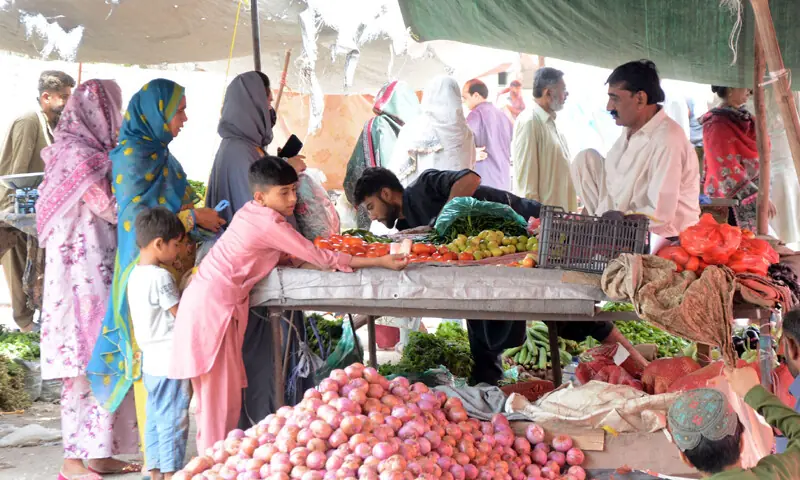
Consumer inflation in Pakistan rose to 11.7% year-on-year in May, putting additional pressure on household budgets, according to official data.
The increase in the Consumer Price Index (CPI) was mainly driven by higher energy costs and rising prices of essential food items.
Key drivers of inflation
Transport costs saw a sharp annual increase of 36.78%, while housing, electricity, gas, and fuel expenses also recorded significant growth of 16.78%. These increases contributed heavily to overall inflationary pressure.
Food prices also continued to rise, with non-perishable items showing notable increases. Urban food inflation rose by 6.5%, while rural areas recorded an 8.5% increase compared to the same period last year.
On a monthly basis, overall inflation increased by 0.5%, reflecting continued price volatility in key commodities.
Urban and rural trends
Urban inflation stood slightly higher at 11.8%, compared to 11.5% in rural areas. Non-food inflation remained elevated, reaching 15.2% in urban regions and 14.2% in rural areas.
Core inflation, which excludes food and energy prices, also remained high at around 9% in urban areas.
Economic outlook
The State Bank of Pakistan has raised its policy rate in response to rising inflation, while the government has set an inflation target of 7% for the fiscal year.
Experts say persistent increases in fuel, transport, and essential goods continue to be the main factors driving inflation, affecting both urban and rural households across the country.
