


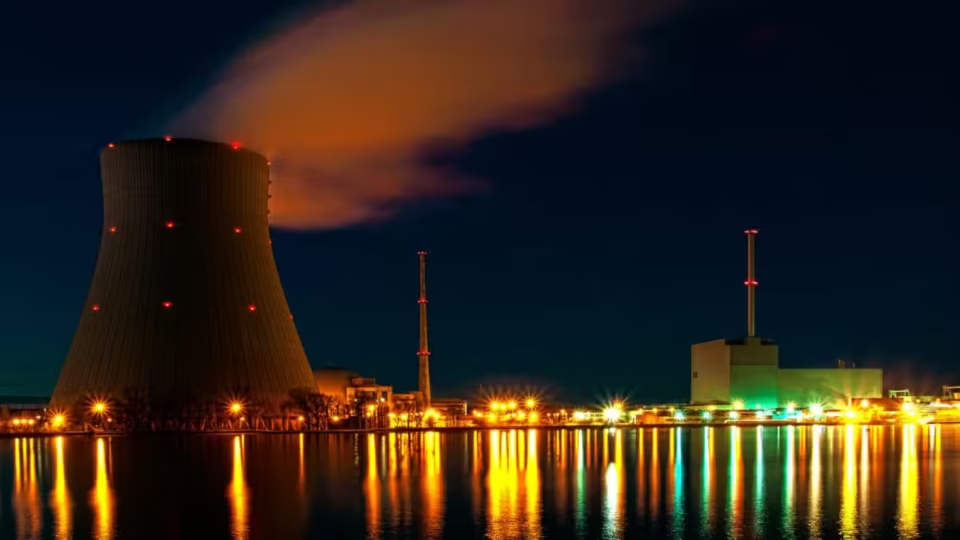
Nuclear Energy Continues to Play Key Role in Pakistan’s Power Sector
Pakistan’s energy sector relies on a diverse mix of electricity generation sources, including hydropower, renewable energy, fossil fuels and nuclear power. Energy experts emphasize that long-term planning requires balancing reliability, affordability, environmental considerations and future demand growth.
Nuclear energy has emerged as an important component of Pakistan’s electricity system due to its ability to provide stable and continuous power generation with very low operational greenhouse gas emissions.
Importance of a Balanced Energy Mix
Energy planners generally support a diversified approach to electricity generation, as each technology offers distinct advantages.
Renewable energy sources such as solar and wind provide clean electricity but depend on weather conditions. Hydropower offers low-cost generation but is limited by suitable geographical locations and water availability. Fossil fuel-based power plants can respond quickly to changing electricity demand, while nuclear facilities are designed to provide steady, long-term power generation.
Experts note that maintaining a balanced energy mix helps improve energy security and system reliability.
Nuclear Power and Energy Security
One of the key advantages of nuclear power plants is their ability to operate continuously for extended periods before refueling. This allows them to provide a dependable source of electricity that is less affected by fluctuations in global fuel markets.
Pakistan’s nuclear power program has expanded steadily over the years, contributing to the country’s baseload electricity supply and supporting grid stability.
International Cooperation and Future Development
Pakistan’s civilian nuclear power projects have largely been developed through cooperation with China, which has provided technology and financing support for several power plants.
Industry observers believe future growth in the sector will depend not only on international partnerships but also on strengthening local technical expertise, engineering capabilities and industrial infrastructure.
Investment in education, workforce training and advanced engineering skills is considered essential for supporting long-term development in the nuclear energy sector.
Safety and Regulatory Oversight
Nuclear power plants operate under strict regulatory frameworks designed to ensure safety and environmental protection. Facilities are monitored by national authorities and international organizations that establish operational standards and best practices.
Modern nuclear technologies continue to incorporate advanced safety features, while emerging reactor designs are being developed to improve efficiency and operational flexibility.
Environmental Benefits
Nuclear energy is widely recognized as a low-carbon source of electricity. Although emissions are associated with fuel production and transportation processes, overall lifecycle emissions remain significantly lower than many conventional energy sources.
Because nuclear fuel is highly energy-dense, relatively small quantities of fuel can generate large amounts of electricity, making nuclear power an efficient option for long-term energy production.
Looking Ahead
As electricity demand continues to grow, policymakers and energy experts are expected to evaluate a range of technologies to meet future requirements. Nuclear power is likely to remain an important part of Pakistan’s energy strategy alongside renewable energy, hydropower and other generation sources.
A combination of reliable infrastructure, technological advancement and diversified energy planning will play a key role in supporting the country’s future energy needs.
