


IMF Warns Pakistan Remains Highly Vulnerable to Climate Shocks
The International Monetary Fund (IMF) has warned that Pakistan continues to face significant risks from climate change, including severe floods, rising heatwaves, and rapid glacier melting, which could affect economic stability and development.
The warning was included in the IMF’s third review under the Extended Fund Facility, highlighting ongoing concerns about repeated extreme weather events and their economic impact.
Growing climate risks
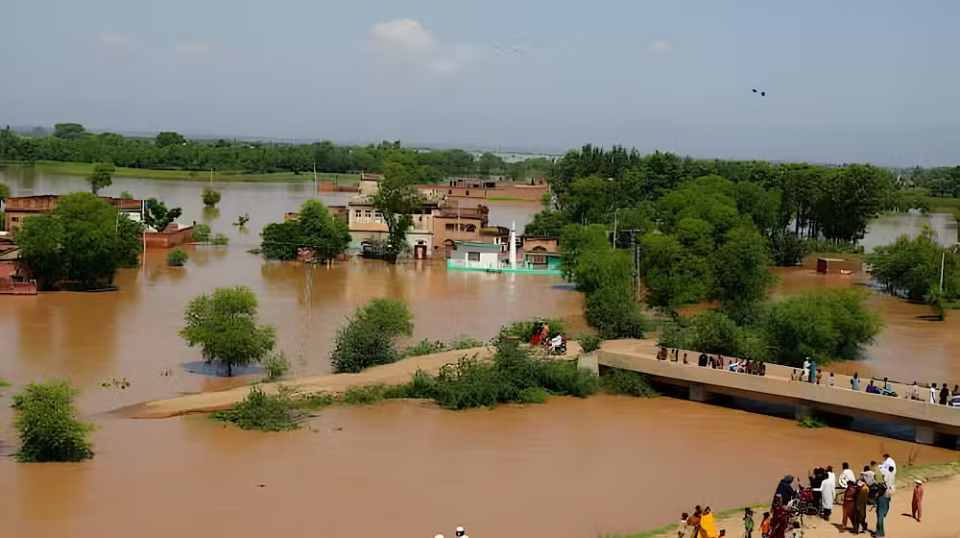
According to the report, Pakistan remains highly exposed to climate-related disasters, similar to the large-scale flooding events experienced in recent years. These disasters have caused widespread damage, displacement, and economic losses across the country.
The IMF also noted that the National Disaster Management Authority (NDMA) has already indicated that the 2026 monsoon season may bring heavier rainfall and broader impact across multiple regions.
Government preparedness and reforms
The report stated that the government has taken steps to improve disaster preparedness, including strengthening coordination between federal and provincial authorities and enhancing early warning systems.
Efforts are also underway to upgrade flood protection infrastructure and restore areas affected by previous climate disasters.
Focus on climate adaptation
Pakistan has introduced several initiatives aimed at improving long-term climate resilience. These include the development of a national adaptation plan, improved climate monitoring systems, and strategies to better manage glacier-related risks.
Authorities are also working on a glacier preservation strategy to support water resource planning, as the country contains one of the largest concentrations of glaciers outside the polar regions.
Financial and policy measures
The IMF highlighted new requirements for climate risk assessment in major public investment projects. Large infrastructure projects are now required to evaluate potential exposure to climate hazards before approval.
In addition, a portion of infrastructure spending is being directed toward climate-resilient projects.
Financial regulators have also begun integrating climate-related policies into banking and corporate sectors, including green financing frameworks and environmental disclosure rules.
Renewable energy transition
The report noted growing investment in renewable energy, particularly solar power, which is expanding rapidly across Pakistan. The country has also introduced green financing instruments to support sustainable development projects.
