


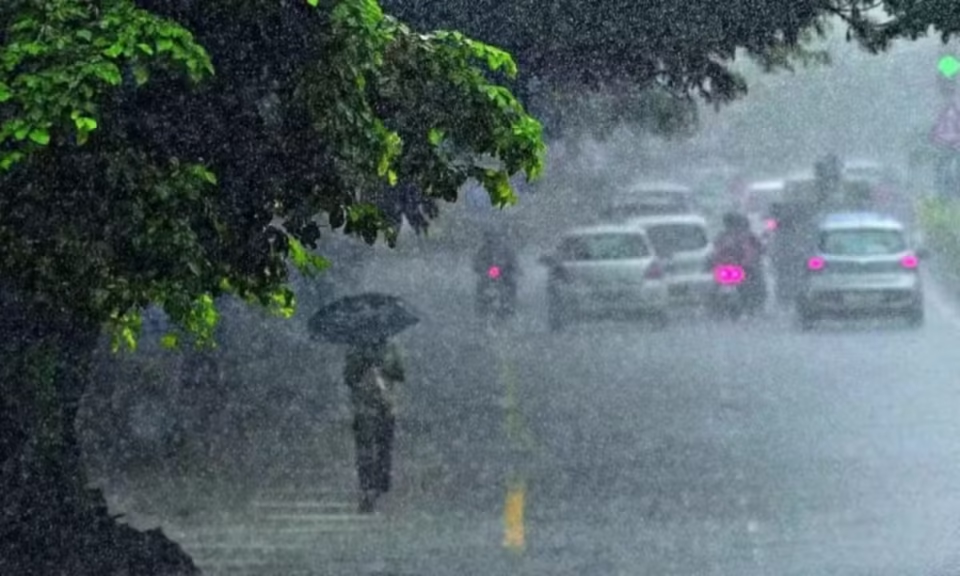
PMD Forecasts Below-Normal Rainfall and Higher Temperatures Across Pakistan
The Pakistan Meteorological Department (PMD) has forecast below-normal rainfall and above-normal temperatures across most parts of the country during the June–August 2026 season.
According to the seasonal outlook, climate patterns influenced by large-scale oceanic and atmospheric conditions are expected to impact rainfall distribution and temperature levels across Pakistan in the coming months.
Rainfall Outlook
The PMD report indicates that most regions of the country are likely to receive normal to below-normal rainfall during the summer monsoon period.
The largest rainfall deficits are expected in parts of northeastern Punjab, while below-normal rainfall is also likely in Sindh, southern Khyber Pakhtunkhwa, and several areas of Balochistan.
However, northern regions, including Gilgit-Baltistan, northern Khyber Pakhtunkhwa, and Kashmir, may receive near-normal to slightly above-normal rainfall.
Temperature Projections
The forecast also suggests that temperatures across Pakistan are likely to remain above normal during the season.
Higher-than-average temperature increases are expected in eastern Gilgit-Baltistan, Kashmir, northern Punjab, Sindh, and southeastern Balochistan, where heat conditions may be more intense.
Potential Impacts
Meteorological officials warned that reduced rainfall in some regions could affect agriculture, particularly during the Kharif crop season, increasing irrigation requirements and placing stress on water resources.
At the same time, rainfall in northern catchment areas may help support water reservoirs, which could benefit agriculture and hydropower generation.
Weather-Related Risks
The PMD also highlighted several possible weather-related risks during the forecast period, including:
- Heatwave conditions in parts of southern Punjab and Sindh
- Flash floods and landslides in northern mountainous regions
- Urban flooding during heavy rainfall events
- Increased risk of heat-related illnesses
- Possible dust storms and strong winds during temperature fluctuations
In northern areas, rising temperatures may accelerate snowmelt, increasing river flows and the risk of glacial lake outburst floods (GLOFs).
Advisory
The department has advised relevant authorities and the public to stay alert and take precautionary measures to reduce potential risks associated with extreme weather conditions.
Officials emphasized the importance of monitoring updates and implementing preparedness measures to mitigate impacts on agriculture, infrastructure, and public health.
