


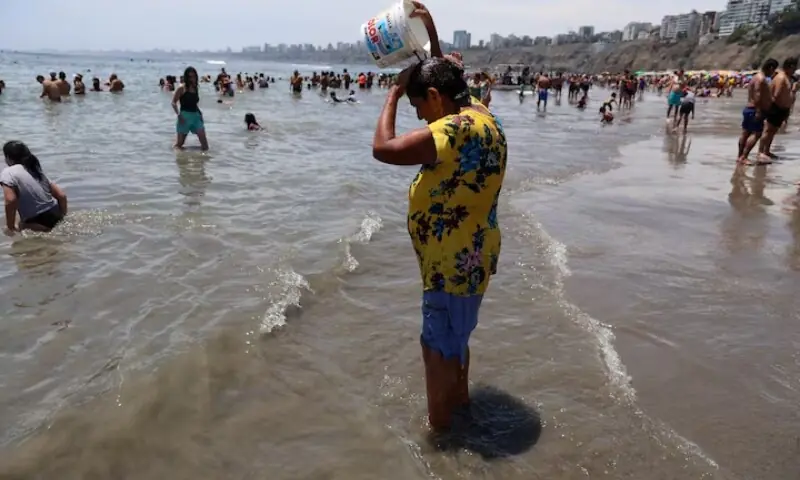
UN Warns Strong El Niño Could Develop Between July and September
The United Nations’ weather and climate agency has warned that El Niño is expected to strengthen rapidly into a strong climate event between July and September, increasing the likelihood of extreme weather in many parts of the world.
According to the World Meteorological Organization (WMO), El Niño conditions have already developed in the tropical Pacific Ocean and are forecast to intensify over the coming months.
El Niño is a naturally occurring climate pattern that warms sea surface temperatures in the central and eastern equatorial Pacific Ocean. It can influence global weather by affecting rainfall, temperatures, and wind patterns. The phenomenon typically occurs every two to seven years and usually lasts between nine and 12 months.
The WMO’s latest Global Seasonal Climate Update indicates a high probability that El Niño will strengthen into a strong event, the third-highest category on the agency’s intensity scale.
Climate experts say multiple forecasting models show consistent warming across the Pacific Ocean, with sea surface temperatures expected to rise significantly in key monitoring regions. This strong agreement among climate models has increased confidence in the forecast.
Higher Risk of Extreme Weather
A stronger El Niño could increase the chances of drought, heavy rainfall, heatwaves, and marine heatwaves in different regions of the world.
The WMO also expects above-average temperatures across most populated land areas during the July to September period. Rainfall patterns are also likely to shift, with some regions expected to receive above-normal rainfall while others could experience drier-than-average conditions.
Impact on Agriculture and Public Health
The UN agency said it is strengthening its early warning efforts to help governments and communities prepare for possible impacts, particularly in climate-sensitive sectors such as agriculture, water management, and public health.
Officials emphasized that accurate seasonal forecasts and timely warnings can help reduce risks, protect lives, and improve disaster preparedness.
Climate Change and El Niño
The WMO noted that there is currently no evidence that climate change directly increases the frequency or intensity of El Niño events. However, rising global temperatures can amplify their impacts because warmer oceans and a warmer atmosphere provide more energy and moisture for extreme weather events.
Scientists also noted that during the Northern Hemisphere summer, warmer Pacific waters linked to El Niño may contribute to increased tropical cyclone activity in the central and eastern Pacific while reducing conditions favorable for hurricane development in the Atlantic.
