


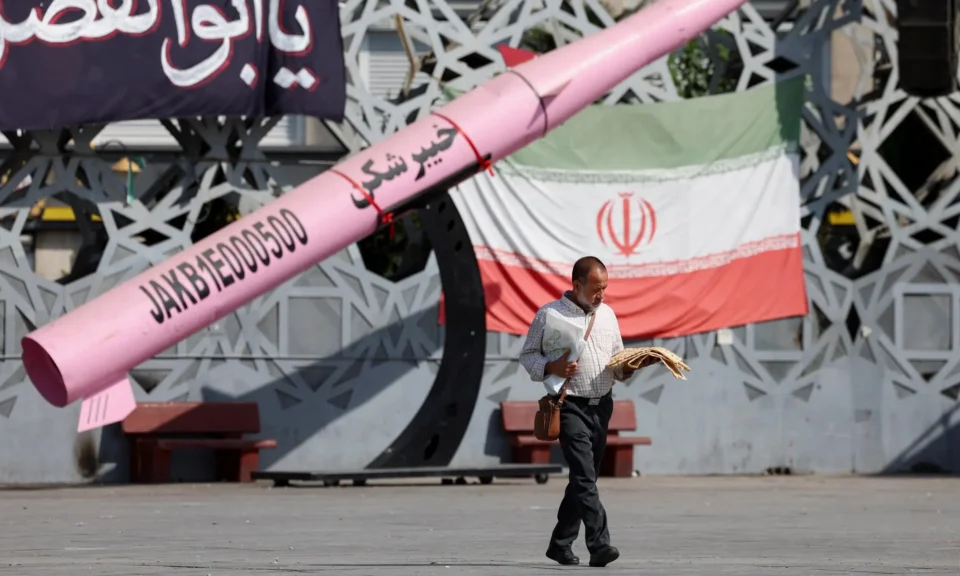
US-Iran Ceasefire Faces Fresh Test as Strait of Hormuz Dispute Fuels New Tensions
The memorandum of understanding (MoU) signed between the United States and Iran only weeks ago was intended to stop active fighting and create space for negotiations. However, renewed military exchanges suggest that the agreement addressed the immediate conflict without fully resolving the deeper issues that continue to divide both sides.
Recent developments have seen military activity increase across the Gulf region. Reports indicate that the United States carried out additional strikes targeting military-related infrastructure in southern Iran, while Iran responded with missile attacks aimed at locations associated with the US military presence in several Gulf countries. Maritime security has also become a growing concern, with commercial shipping through the Strait of Hormuz slowing as regional tensions rise.
Strait of Hormuz Remains the Key Dispute
At the center of the latest tensions is the future management of the Strait of Hormuz, one of the world’s most important shipping routes for oil and gas exports.
The ceasefire agreement included provisions for improving the safety of commercial navigation and reopening normal maritime traffic. It also called for future discussions involving Iran, Oman, and other Gulf coastal states to determine how the waterway should be managed under international law.
Although both sides agreed to this framework, they continue to interpret it differently.
The United States maintains that the Strait should remain open under internationally recognized principles of freedom of navigation. Iran, meanwhile, argues that countries bordering the waterway should have a stronger role in overseeing security and maritime operations because of their geographic position and national security interests.
These differing interpretations have become one of the biggest obstacles to achieving a lasting political settlement.
Military Pressure Without a Clear Resolution
Both countries have strengthened their military readiness since the ceasefire was signed.
The United States continues to possess significant advantages in advanced surveillance, precision strike capabilities, and long-range military operations. Iran, however, retains the ability to create operational challenges through its strategic location, coastal defense systems, drones, missile forces, and maritime capabilities in the Gulf.
Military analysts note that while each side can impose costs on the other, neither appears capable of achieving a decisive outcome through force alone.
Economic Impact Extends Beyond the Region
The renewed uncertainty has already affected global markets.
Shipping companies have reduced the number of vessels traveling through the Strait of Hormuz, while insurance costs for commercial cargo have increased. Oil prices have also shown signs of upward pressure as investors monitor developments in one of the world’s most critical energy corridors.
Although alternative export routes exist through neighboring Gulf countries, they cannot fully replace the enormous volume of energy supplies that normally pass through the Strait of Hormuz. As a result, prolonged instability could affect energy markets and economies that rely heavily on oil imports.
Diplomacy Still Holds the Long-Term Answer
The recent escalation highlights that the ceasefire represented only the first step toward reducing tensions rather than a final settlement.
A lasting solution will likely require negotiations that balance Iran’s security concerns with internationally accepted rules governing commercial navigation. Until both sides reach broader political agreements on these issues, periods of renewed military tension may continue despite previous diplomatic efforts.
The future stability of the Gulf will depend not only on preventing further conflict but also on reaching a sustainable framework that protects regional security while ensuring uninterrupted global trade through one of the world’s most strategically important waterways.
